
Water color pencils are a blend of colored pencils and the gorgeous affects of watercolor paint. They can be applied dry as normal colored pencils or activated with water to achieve soft washes, smooth blends and rich artistic effects. The versatility makes them a popular choice for both beginners, hobbyists, and professional artists.
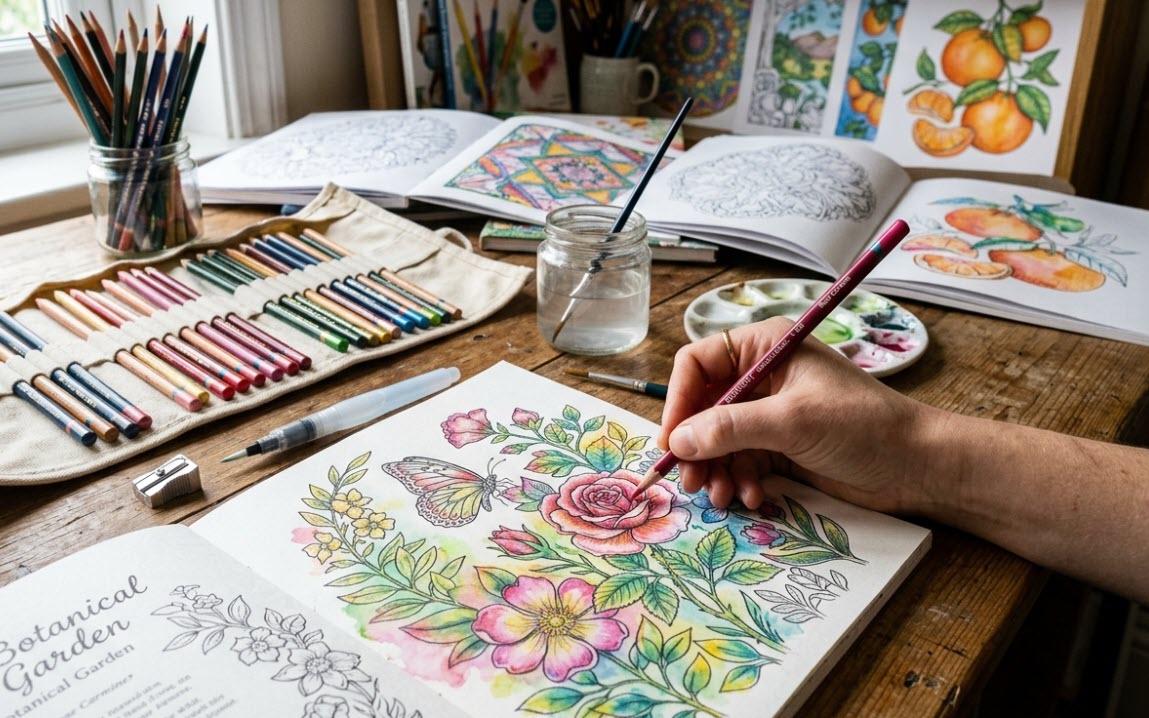
Watercolor pencils include water-soluble pigments which dissolve having a water application. They resemble and feel like normal colored pencils until exposed to a wet brush which causes the pigment to act like watercolor paint.
Artists can use the pointy end of the pencil to make fine details, and then blend the colors in with water to make them look like paint.
For Beginners
Watercolor pencils with an affordable price tag are ideal for practicing basic watercolor techniques. See sets that have 12 to 24 different colors so you can sample blending and color mixing, but not spend a fortune.
For Intermediate Artists
Artists who color may prefer to use a higher quality pencil, which will have stronger pigment and have smoother color activation. These pencils will often be brighter in colour and have more blending quality.
For Professional Artists
Watercolor pencils are professional grade, and provide a high level of pigment concentration, lightfastness and smooth water activation. They are perfect for fine art work, detailed illustrations, and landscapes.
The following are some of the features to look for:
Rich, vibrant pigments
Smooth application
Easy water activation
Durable pencil cores
Wide color selection
Good blending performance
Materials You'll Need
To get started, collect:
Watercolor pencils
Watercolor paper
Clean water
A soft paintbrush
Paper towels
Pencil sharpener
Watercolor paper is preferred, since it is less prone to warping from moisture than regular paper.
Video tutorials on using watercolour pencils are available.
The initial method is to dye the hair and then apply water.The first option is "dye first, add water later".
This is the most popular technique.
Using watercolor pencils, draw and colour your design.
Use colors sparingly and in layers.
Dampen brush and activate pigment.
Use smooth brush strokes to blend colors.
Allow the paper to dry completely before adding more layers.
A wonderful watercolor method that is still under control.
Use Pencil on Wet paper.
Moisten the paper gently with clean water, before coloring.
On moist papers, the pigment spreads out more freely and yields soft painterly qualities.
Pick Up Color with a Wet Brush
Put the wet brush directly on the pencil head and paint with the brush.
This technique is good for small details, highlights and delicate areas.
Mix Dry and Wet Methods.
Many of the artists will mix dry pencil detail with watercolor effects. The first step is to add water, let it dry, and then add detail and texture with dry pencil work.
Use Light Layers
Be careful with the use of color in the first place. When heavy layers are used it can be challenging to blend once water is introduced.
Test Colors First
Water activated colours tend to be deeper and more intense than they are when dry.
Keep Brushes Clean
Clean brush often to avoid muddy mixtures of colour.
Mixing colors by light to dark.
Dark colors can be added later and are easier to remove than to add.
Allow Layers to Dry
Do not put new details or more colors on a layer until it is dry.
Protect the Paper
Excessive amounts of water may harm paper or cause undesirable warping. Apply moderately for optimum results.
Nature Scenes
Make flowers, trees, mountains, lakes, and sunsets with soft blending watercolors.
Coloring Pages
Watercolor pencils are going to create particular effects on printable coloring pages, making it more dynamic in comparison to common coloring techniques.
Greeting Cards
Create and decorate handmade cards using watercolour flowers, animals, seasonal motifs or fancy lettering.
Animal Illustrations
Implement layered hues and water blending for the creation of realistic fur, feathers and textures.
Fantasy Art
Use watercolor techniques to create colorful dragon, fairy, magical forest and imaginative landscape paintings.
Mandalas and Patterns
Use colored washes and shading to add depth and dimension to complex designs and create a stunning artistic effect.
Travel Sketchbooks
Watercolour pencils are convenient to carry around and are perfect for scenery, buildings and holiday recollections.
Typical errors to avoid
Watering too hard once can result in root surface burn and wilting.
Applying excessive pressure with the pencils
Thin paper unable to absorb moisture
Combining too many colors together
Failure to provide time for layers to dry before going on
By avoiding these pitfalls will result in cleaner and more colorful artwork.
Watercolor pencils have several advantages.
Watercolor pencils have a number of benefits:
Simple to operate for those who are new to operating a computer application
Not as messy as regular watercolor paints
Perfect for travel and sketching outdoors.
Allow both detailed drawing and painterly effects
Ideal for coloring books and fine art projects!
Watercolor pencils are an art medium that can be used for drawing and painting. Artsists of all levels can achieve beautiful results through quality pencils, watercolor paper and the mastery of some basic techniques, including layering and water activation. From coloring pages to painting landscapes and creating greeting cards, watercolor pencils offer endless creative possibilities and avenues for artistic expression.
What are Watercolor Pencils?
Watercolor pencils include water-soluble pigments which dissolve having a water application. They resemble and feel like normal colored pencils until exposed to a wet brush which causes the pigment to act like watercolor paint.
Artists can use the pointy end of the pencil to make fine details, and then blend the colors in with water to make them look like paint.
What Watercolor Pencils to use?
For Beginners
Watercolor pencils with an affordable price tag are ideal for practicing basic watercolor techniques. See sets that have 12 to 24 different colors so you can sample blending and color mixing, but not spend a fortune.
For Intermediate Artists
Artists who color may prefer to use a higher quality pencil, which will have stronger pigment and have smoother color activation. These pencils will often be brighter in colour and have more blending quality.
For Professional Artists
Watercolor pencils are professional grade, and provide a high level of pigment concentration, lightfastness and smooth water activation. They are perfect for fine art work, detailed illustrations, and landscapes.
The following are some of the features to look for:
Rich, vibrant pigments
Smooth application
Easy water activation
Durable pencil cores
Wide color selection
Good blending performance
Materials You'll Need
To get started, collect:
Watercolor pencils
Watercolor paper
Clean water
A soft paintbrush
Paper towels
Pencil sharpener
Watercolor paper is preferred, since it is less prone to warping from moisture than regular paper.
Video tutorials on using watercolour pencils are available.
The initial method is to dye the hair and then apply water.The first option is "dye first, add water later".
This is the most popular technique.
Using watercolor pencils, draw and colour your design.
Use colors sparingly and in layers.
Dampen brush and activate pigment.
Use smooth brush strokes to blend colors.
Allow the paper to dry completely before adding more layers.
A wonderful watercolor method that is still under control.
Use Pencil on Wet paper.
Moisten the paper gently with clean water, before coloring.
On moist papers, the pigment spreads out more freely and yields soft painterly qualities.
Pick Up Color with a Wet Brush
Put the wet brush directly on the pencil head and paint with the brush.
This technique is good for small details, highlights and delicate areas.
Mix Dry and Wet Methods.
Many of the artists will mix dry pencil detail with watercolor effects. The first step is to add water, let it dry, and then add detail and texture with dry pencil work.
Tips for Watercolor Pencil Drawing
Use Light Layers
Be careful with the use of color in the first place. When heavy layers are used it can be challenging to blend once water is introduced.
Test Colors First
Water activated colours tend to be deeper and more intense than they are when dry.
Keep Brushes Clean
Clean brush often to avoid muddy mixtures of colour.
Mixing colors by light to dark.
Dark colors can be added later and are easier to remove than to add.
Allow Layers to Dry
Do not put new details or more colors on a layer until it is dry.
Protect the Paper
Excessive amounts of water may harm paper or cause undesirable warping. Apply moderately for optimum results.
Watercolor Pencil Ideas: Creative
Nature Scenes
Make flowers, trees, mountains, lakes, and sunsets with soft blending watercolors.
Coloring Pages
Watercolor pencils are going to create particular effects on printable coloring pages, making it more dynamic in comparison to common coloring techniques.
Greeting Cards
Create and decorate handmade cards using watercolour flowers, animals, seasonal motifs or fancy lettering.
Animal Illustrations
Implement layered hues and water blending for the creation of realistic fur, feathers and textures.
Fantasy Art
Use watercolor techniques to create colorful dragon, fairy, magical forest and imaginative landscape paintings.
Mandalas and Patterns
Use colored washes and shading to add depth and dimension to complex designs and create a stunning artistic effect.
Travel Sketchbooks
Watercolour pencils are convenient to carry around and are perfect for scenery, buildings and holiday recollections.
Typical errors to avoid
Watering too hard once can result in root surface burn and wilting.
Applying excessive pressure with the pencils
Thin paper unable to absorb moisture
Combining too many colors together
Failure to provide time for layers to dry before going on
By avoiding these pitfalls will result in cleaner and more colorful artwork.
Watercolor pencils have several advantages.
Watercolor pencils have a number of benefits:
Simple to operate for those who are new to operating a computer application
Not as messy as regular watercolor paints
Perfect for travel and sketching outdoors.
Allow both detailed drawing and painterly effects
Ideal for coloring books and fine art projects!
Watercolor pencils are an art medium that can be used for drawing and painting. Artsists of all levels can achieve beautiful results through quality pencils, watercolor paper and the mastery of some basic techniques, including layering and water activation. From coloring pages to painting landscapes and creating greeting cards, watercolor pencils offer endless creative possibilities and avenues for artistic expression.