


Color the seahorses in bright yellow or orange. Use soft, blended colors for the mermaid's tail. Add tiny dots in the background to represent floating ocean debris.
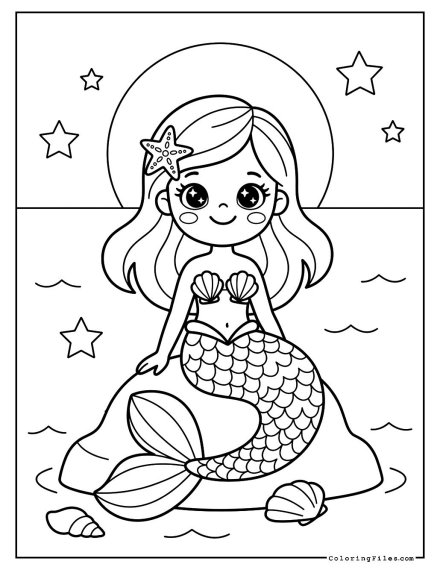
Use dark blues and purples for the night water. Color the moon a pale yellow, and use white or silver gel pens to make the mermaid’s tail scales sparkle bright.
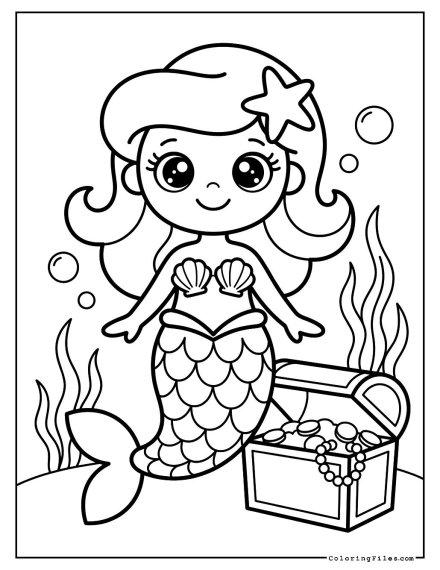
Color the gold coins with deep yellow and brown shading. Use teal for the mermaid’s tail and add dark shading under the chest to create depth in the water.
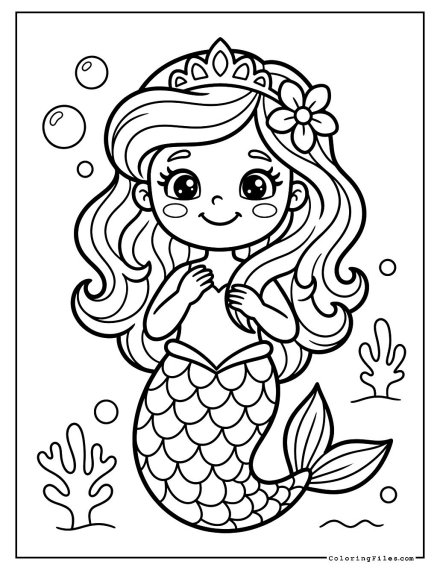
Focus on vibrant hair colors—reds or bright pinks. Use a gradient technique on the tail scales, transitioning from dark green at the top to light lime at the bottom.
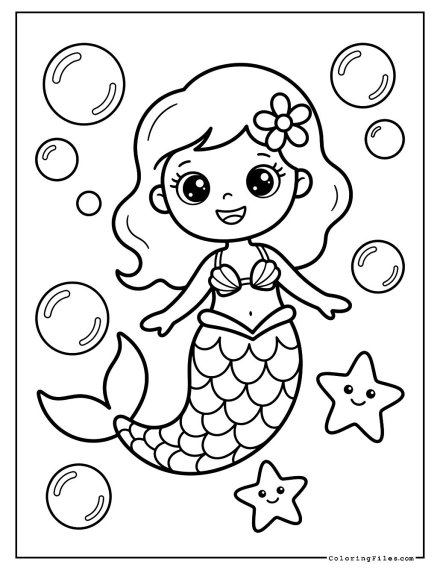
Use soft, creamy colors for the starfish. Color the bubbles with light blue edges and clear centers to make them look transparent against the water background.
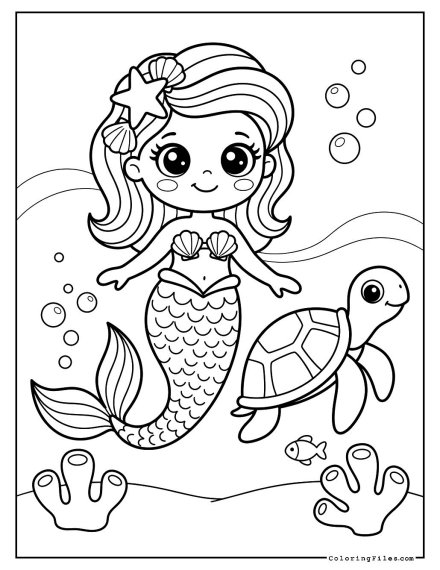
Color the turtle shell with earthy greens and browns. Use bright, playful blues for the mermaid’s tail to create a fun, nature-inspired scene.

Color each shell a different bright color like violet, pink, and orange. Keep the mermaid’s tail a solid, calm blue to balance the busy shells around her.
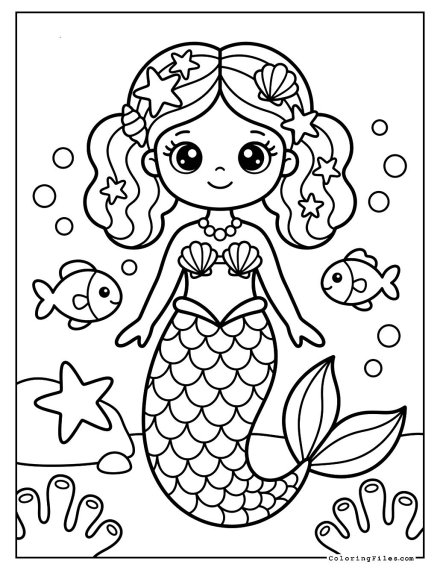
Use neon markers or pencils for bioluminescent effects. Use black or dark blue for the background to let the bright greens and pinks pop off the page.
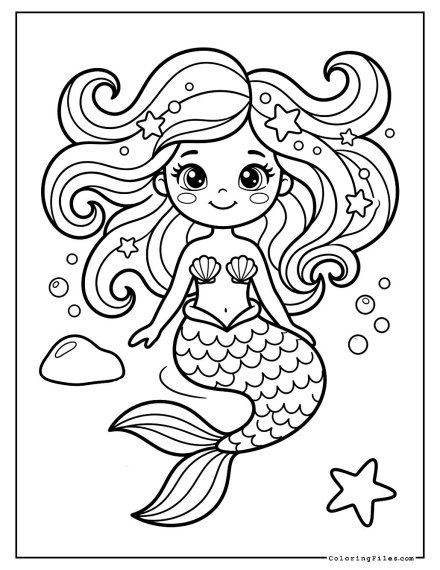
Use long, sweeping strokes for the hair. Choose two shades of the same color, like dark and light blue, to create depth and movement within the flowing strands.
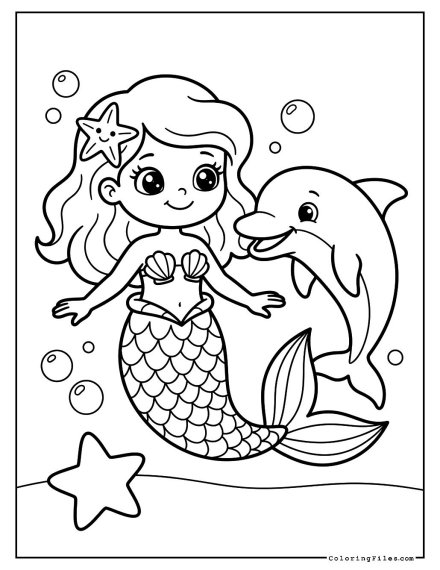
Color the dolphin with smooth grey shading. Use light blues for the water. Add a soft glow effect around the mermaid using a light yellow or white pencil.
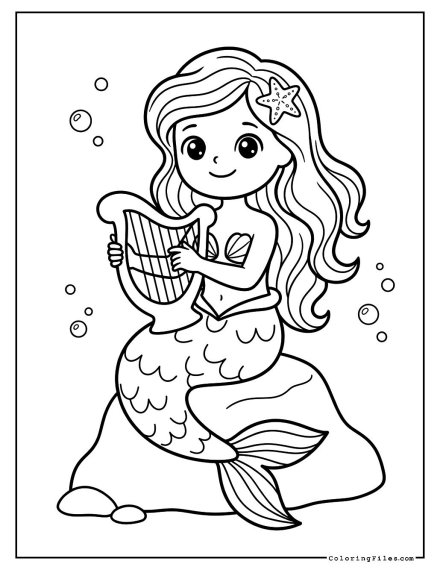
Color the harp with bright metallic colors. Use warm, soft shades for the mermaid’s skin and cool, watery tones for the tail to create balance.
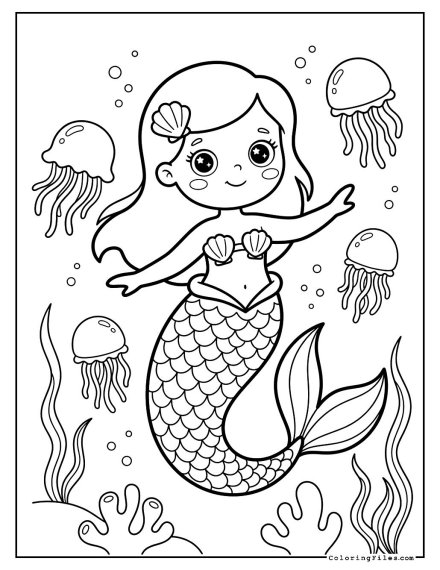
Use translucent colors like light pink and sky blue. Color the tentacles with thin, delicate lines to make them appear to drift through the water.

Use strong, bold colors like crimson and deep navy. Use dark shading around the edges of the drawing to make the mermaid look powerful and heroic.
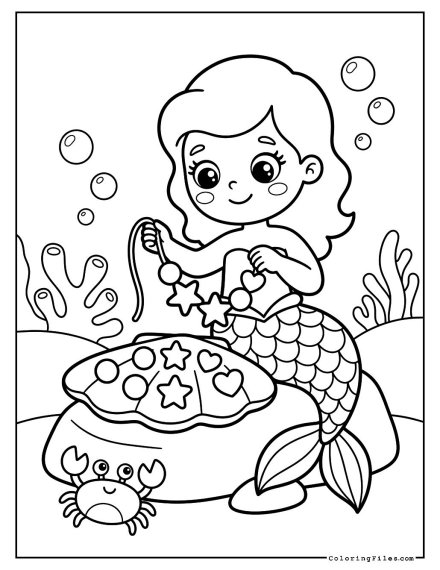
Use bright, shiny colors like gold, silver, and turquoise for the beads. Use a soft, neutral color for the mermaid’s tail to highlight the jewelry.
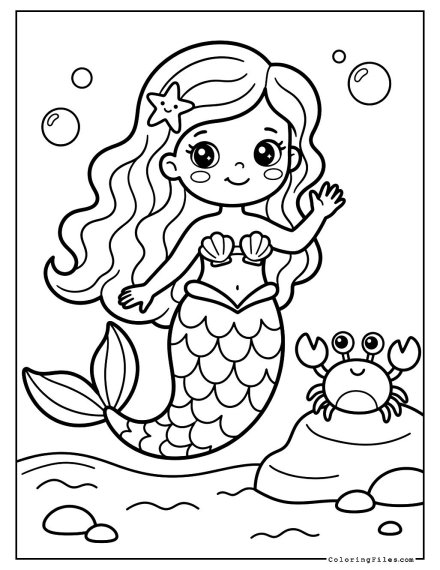
Color the crab in bright, fiery red. Use a contrasting cool green for the mermaid to make the crab pop. Add light shading beneath them to ground them.
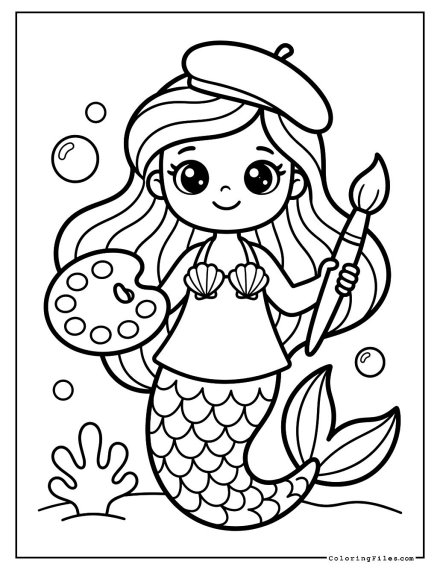
Give the mermaid colorful paint splatters. Use vibrant, contrasting colors for the background canvas to show her creativity in the deep sea.
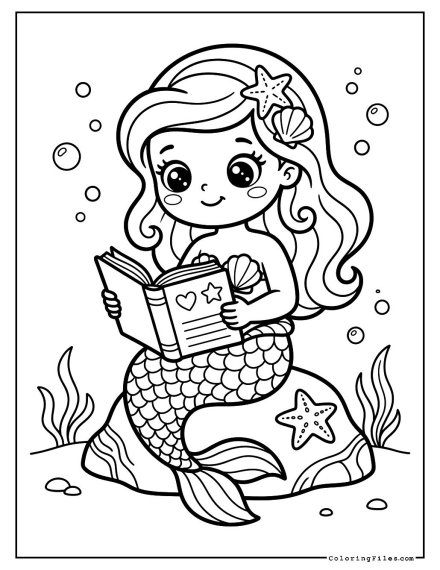
Use muted, earthy tones for the old, sunken book. Use a bright, contrasting color for the mermaid’s tail to make her the center of attention.
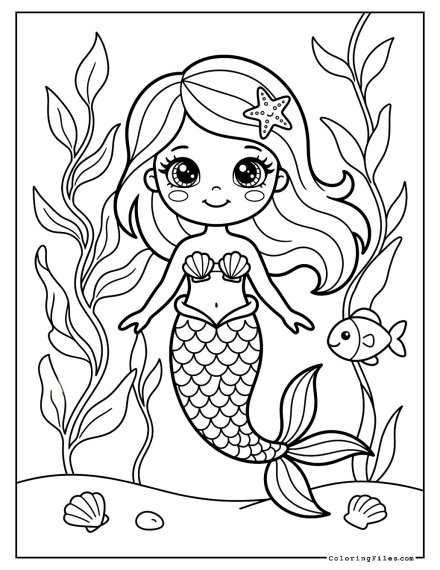
Use several shades of green to create a dense forest. Color the mermaid in a bright orange or yellow so she stands out against the dark, leafy background.
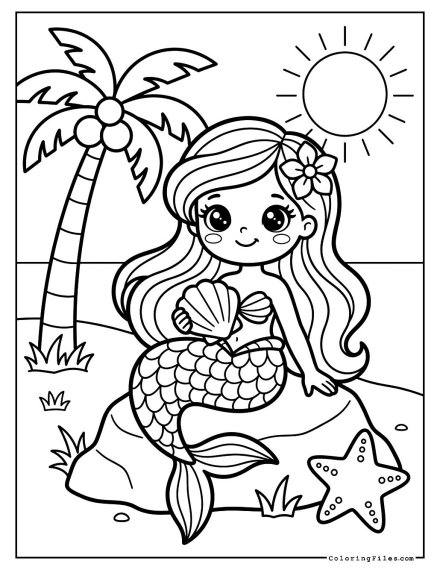
Use summer colors—bright yellow, turquoise, and hot pink. Keep the shading light and sunny to emphasize a feeling of warmth even under the sea.
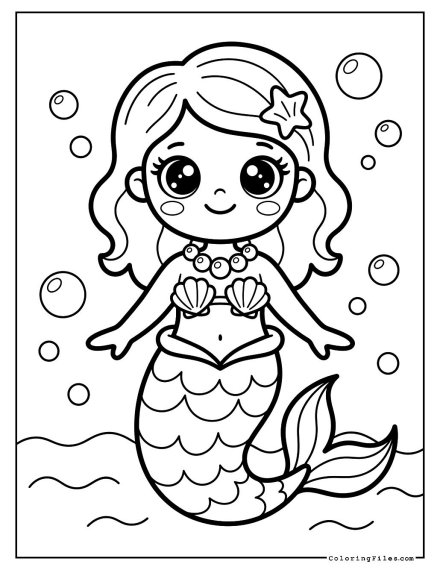
Color the pearls with off-white and soft grey shading. Use deep, luxurious blues for the mermaid’s tail to make the pearls look like precious gems.
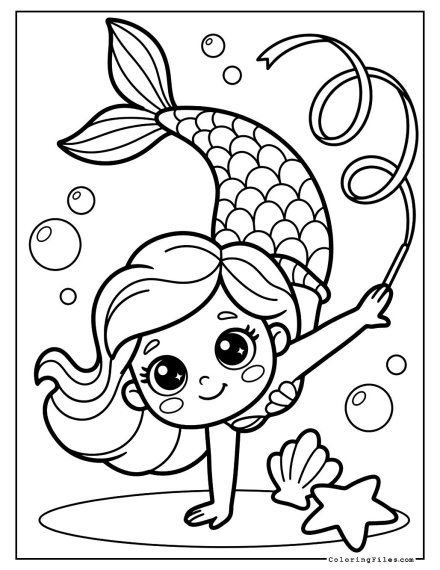
Use energetic, bright colors. Color the scales with a pattern of alternating light and dark shades to suggest movement and muscle definition.

Use soft, neutral tones for the surroundings and a vibrant color for the mermaid. This draws the eye immediately to her face and expression.
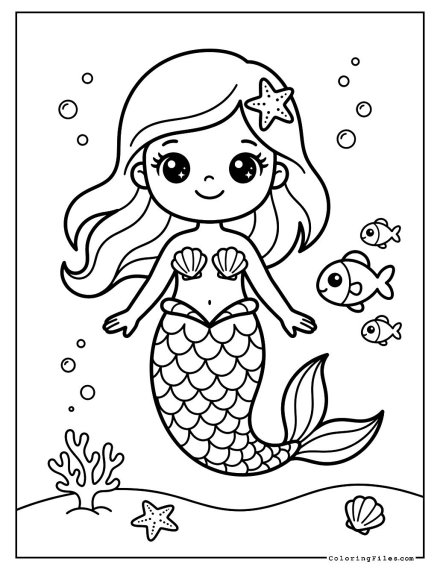
Use bright, multi-colored scales for the tiny fish. Match the mermaid’s tail color to one of the colors on the fish for a cohesive look.
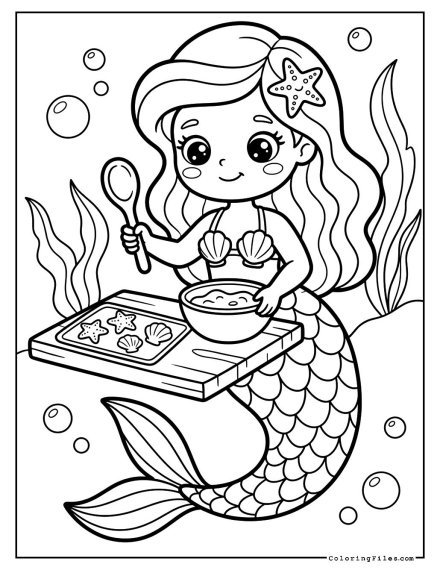
Use warm, baked colors like tan and light brown for the treats. Use a bright, cool shade for the mermaid to keep the image looking fresh.
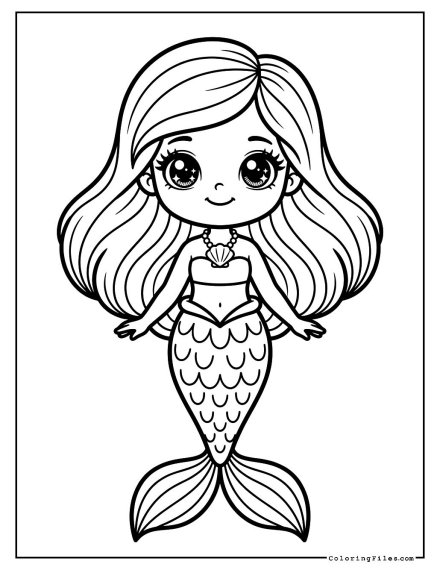
Use long, smooth strokes for the tail. Use blue and purple blending to make the fabric of her tail look like silk moving through the current.
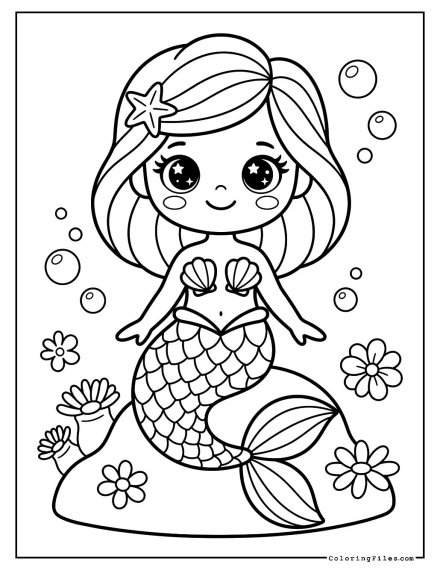
Use bold, vibrant floral colors—red, yellow, and blue. Keep the mermaid’s skin and hair neutral so the colors of the flowers really stand out.
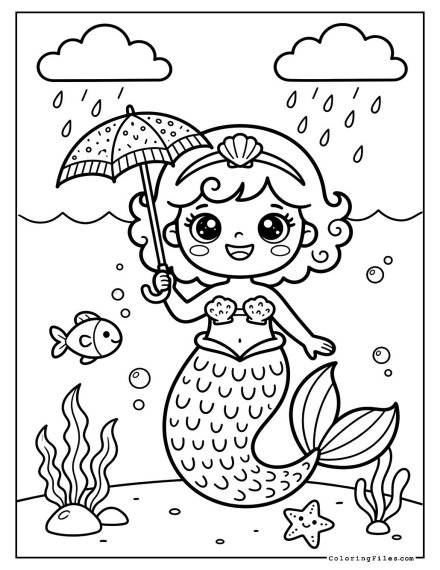
Use cooler, greyer blues for the water. Add some light blue streaks to represent the rain from the surface filtering down into the depths.
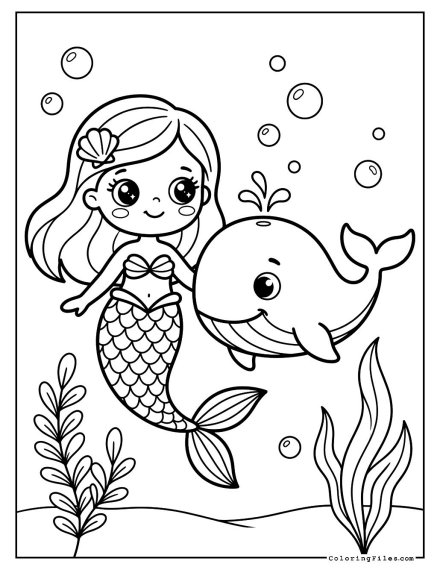
Color the whale in a large, soft grey. Use a bright, cheerful color for the mermaid’s clothing to show the bond between the two characters.
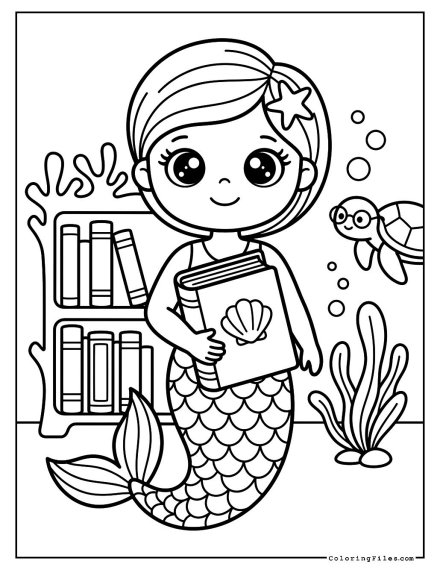
Use rich, deep colors for the books and shelves—maroon, gold, and dark wood. Use a light, glowy color for the mermaid to illuminate the room.
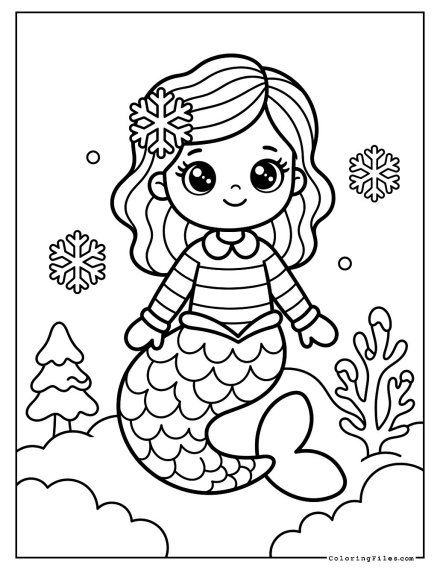
Use icy blues, whites, and light silvers. Add small, white star shapes to represent underwater snow flurries falling through the water.
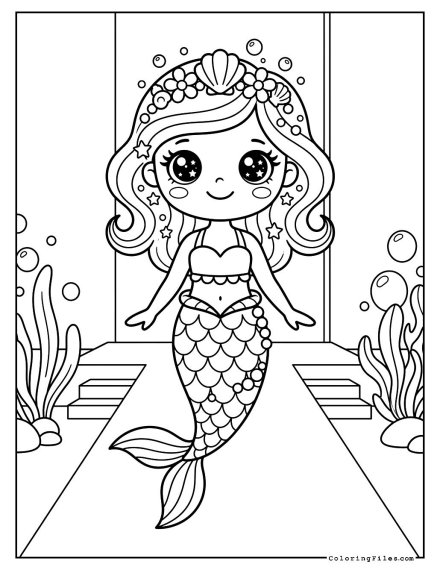
Use the boldest colors you have. Add glitter or metallic gel pens to the mermaid’s accessories to make the scene feel like a high-fashion event.

Use pastel pinks and creams for the snacks. Use a bright, contrasting color for the mermaid’s tail to make the food look even more appetizing.
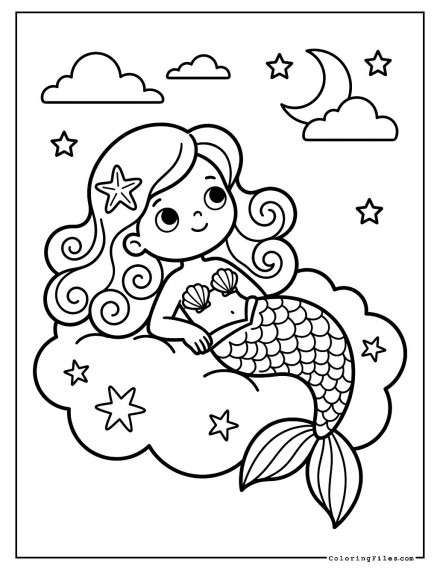
Use soft, light blues for the water. Color the "clouds" (sea foam) with white and light yellow to give a dreamy, peaceful atmosphere to the scene.
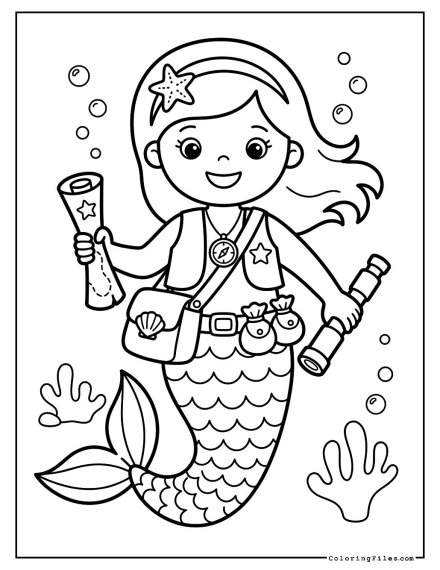
Use practical colors like browns and dark greens for her belt and satchel. Use a bright, contrasting color for her tail to add a fun flair.
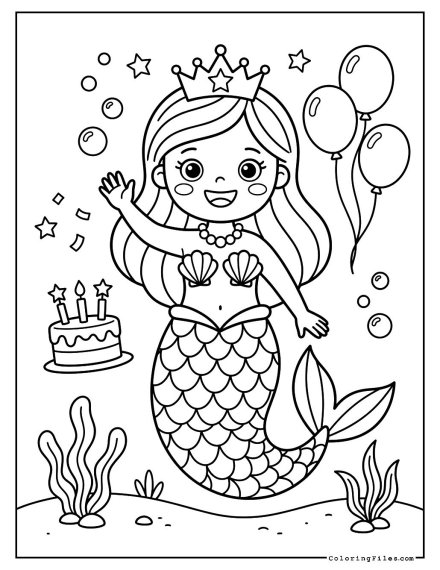
Use a full spectrum of colors—rainbows are great here. Use bright, cheerful shades for the streamers and confetti floating around the mermaid.
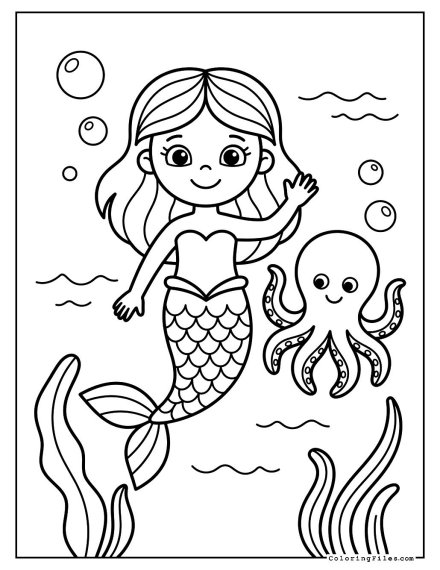
Color the octopus in a soft, light purple. Use a bright, contrasting green or orange for the mermaid to make the duo look friendly and fun.
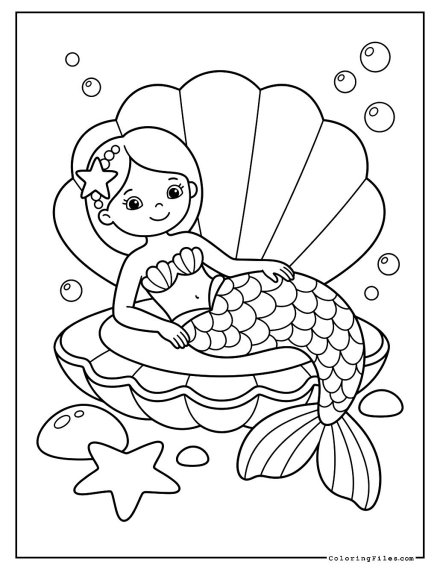
Use warm, cozy colors like soft peach and light brown. Keep the coloring soft and smooth to create a relaxing, quiet mood for the mermaid.
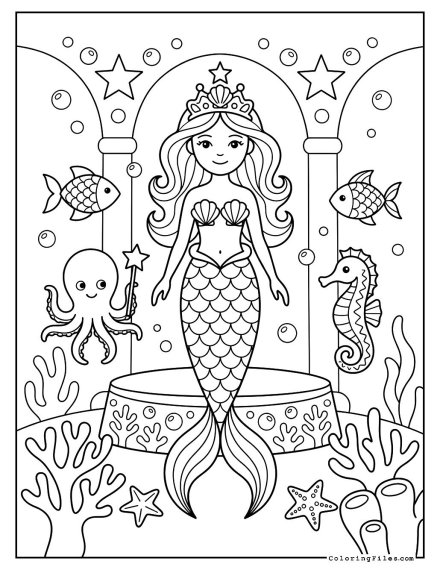
Use deep, regal colors like royal blue, purple, and gold. Focus on shading the dress or tail to look like expensive velvet or silk fabrics.