

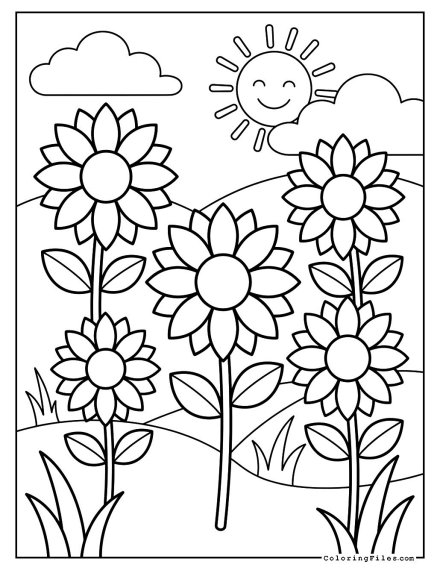
Color daisies crisp white with bright yellow centers. Use light, fresh greens for grass, adding tiny pastel flowers in the background. Use soft pink or lavender for a whimsical "dreamy" sky glow.
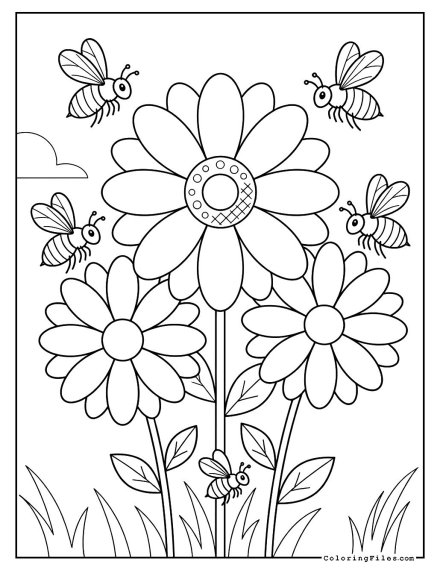
Make bees bright yellow with black stripes and transparent light blue wings. Keep daisies soft and natural. Use a warm, sunny yellow for the background to make the bees pop against the petals.
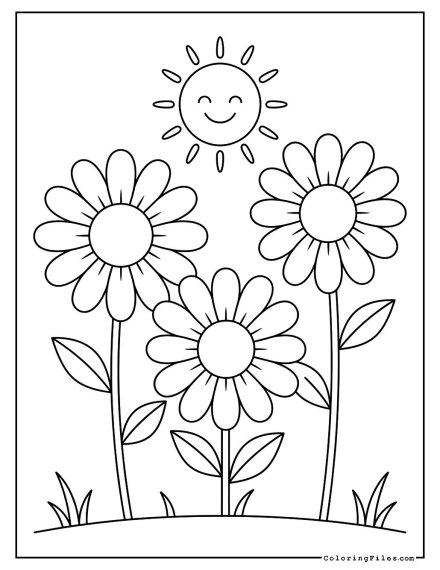
Use a vibrant golden yellow for the sun and pale yellows for the sky. Color daisy petals white with soft gray shadows. Keep the faces on the flowers friendly with soft, blushing pink cheeks.

Use bright, contrasting colors for the polka dots—think teal, coral, and sunshine yellow. Keep the daisies muted so the background pattern stays fun but doesn't overwhelm the main subject.
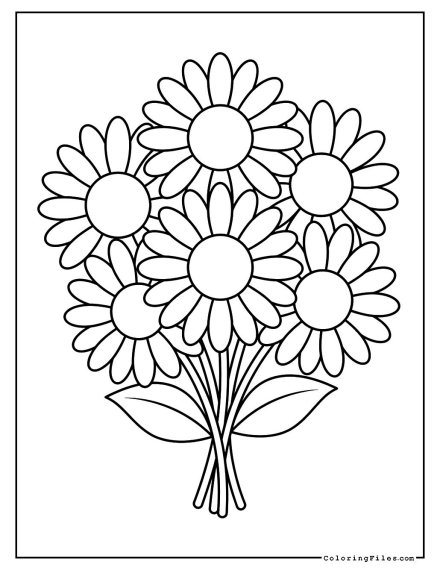
Use a variety of soft pastel ribbons (mint, pink, peach) to tie the bouquet. Color petals with a hint of cream and use sunny yellow centers. Add soft brown or tan shading near the stems for depth.
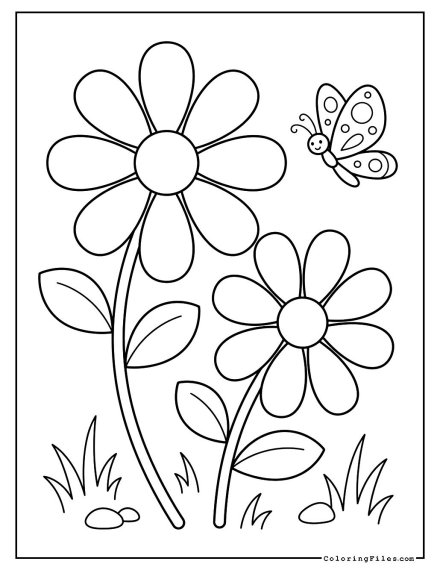
Use iridescent colors for bug wings (purple, blue, and green). For the daisies, keep the petals stark white and the background a soft, blended spring meadow green with small, cute white highlights.

Use soft, decorative patterns like flowers or stripes on the cup. Color the teacup in a calming pastel blue. Use a vibrant yellow for the daisy center to draw the eye into the cup’s center.
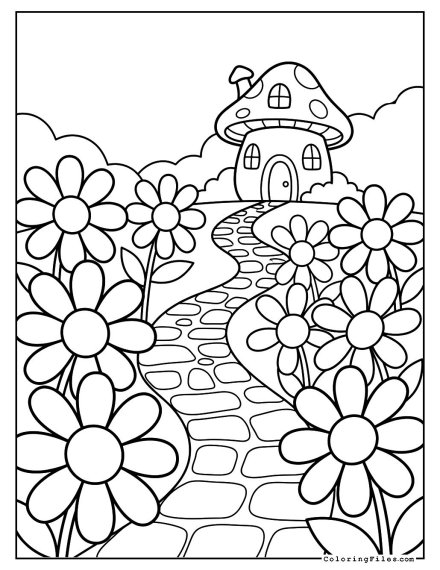
Use purples, pinks, and sparkles for the path. Make the daisies look luminescent by adding a touch of white or pale blue glow to the petal edges. Use deep, dreamy blues for the night sky background.

Use shades of rose, crimson, and soft pink for the heart outline. Keep the daisy petals bright white to stand out against the warm, rosy background. Add tiny white dots for a magical feel.
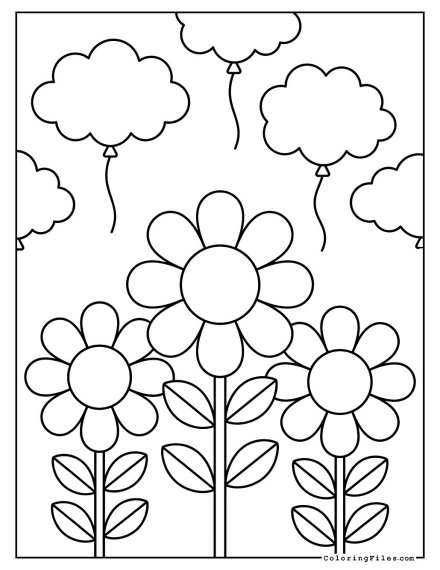
Color the cloud balloons with soft white and gray, adding pink shading underneath. Use bright blues for the sky. Daisies should be vibrant and energetic; use bold yellows for the centers.

Use classic bright red with black dots for the ladybugs. Keep the daisies fresh with crisp white petals. A light, airy green background helps the red ladybugs stand out beautifully.
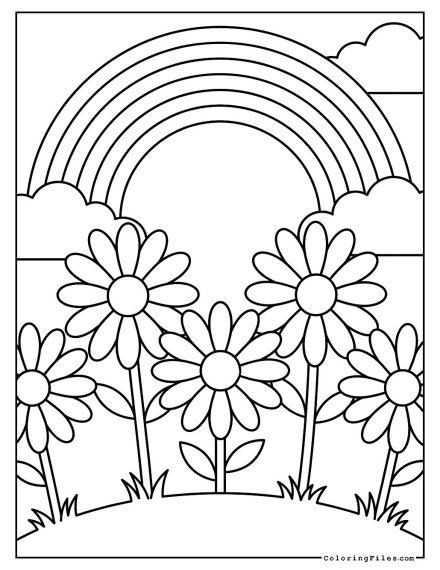
Use soft pastel rainbow stripes. Keep the daisy garden lush with varying shades of green. Use pure white for petals to maintain clarity under the vibrant, multi-colored arch.
Use an array of bright, happy colors for the petals, like light orange, yellow, and pink. Keep the background clean and minimal with soft gray or light blue to focus on the colorful parade.
Use deep midnight blues and purples for the night sky. Add bright yellow or white stars. The daisies should be white with light yellow centers, glowing against the dark, moody background.
Color the ribbon a bold, contrasting color like deep pink or teal. Keep the daisy simple and classic with white petals and a bright yellow center to highlight the cute accessory.
Use a cheerful yellow or sky blue for the watering can. Add "water" droplets in light blue. Keep the daisy bright and healthy-looking, using rich greens for the leaves and stems.
Use light, translucent bubbles in shades of pink, blue, and violet. Place the daisies inside or around them. Keep the daisy petals soft and light to mimic the airy, playful bubble aesthetic.
Use intricate, geometric patterns on the pot in cool tones like teal and navy. Keep the daisies bright yellow and white to create a sharp, attractive contrast with the patterned base.
Use various shades of red and pink for the hearts in the air. Keep the daisies white with sunny yellow centers. Use light, wavy strokes to give the impression of movement in the breeze.
Use cool blues and silvers for the water. Add white "sparkle" marks. Keep the daisy petals white and crisp, with deep, lush green stems to contrast the cool water colors.
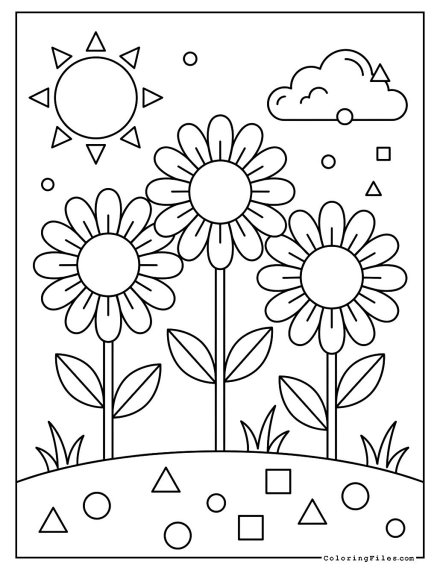
Use a pastel palette for shapes like triangles, circles, and squares. Keep the daisy as the central focus with bright yellow centers and white petals, using the shapes as a frame.
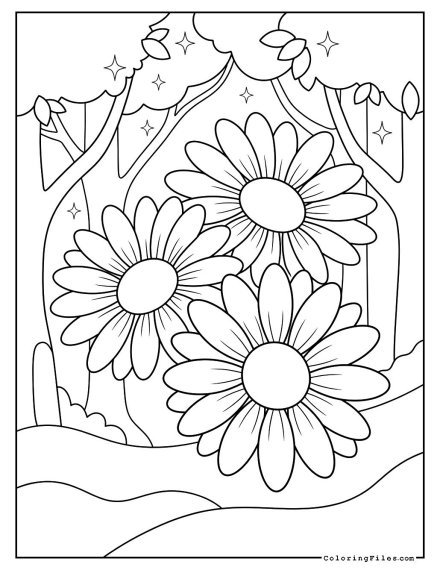
Use lush, deep greens for the forest, with little glowing fireflies. Keep the daisies light and bright with stark white petals and sunny yellow centers to stand out in the shadows.
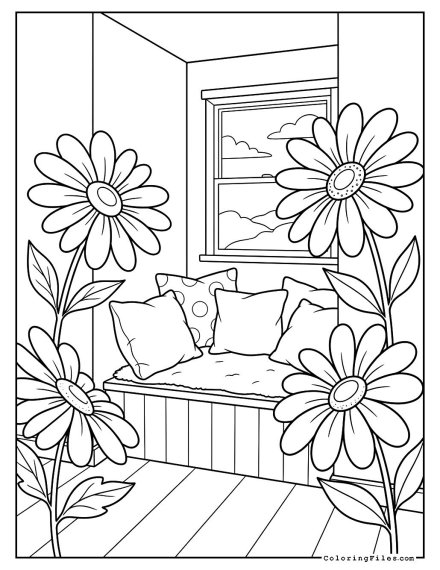
Use soft textures for the pillows, like peach, mint, or lavender. Keep the daisy simple, warm, and inviting. Add a soft glow behind the daisy to emphasize the "nook" comfort.
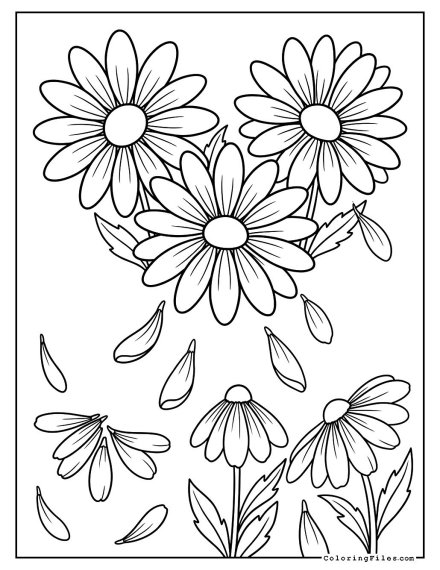
Use a mix of confetti colors—yellow, pink, and light blue. Keep the main daisy white and yellow, allowing the colorful "fallen" petals to decorate the surrounding space.
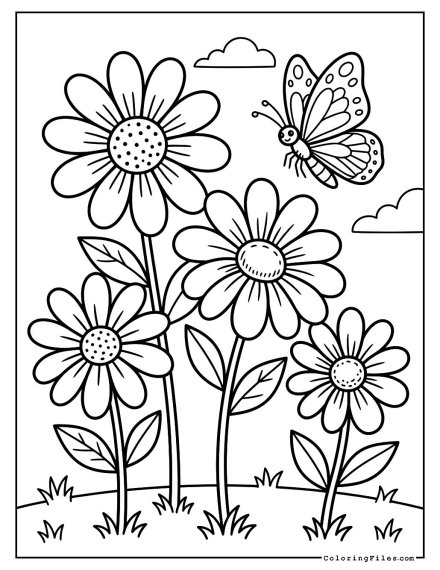
Color the butterfly with intricate, bright patterns (orange, yellow, black). Keep the daisy soft and natural to ensure the colorful butterfly is the main visual highlight.
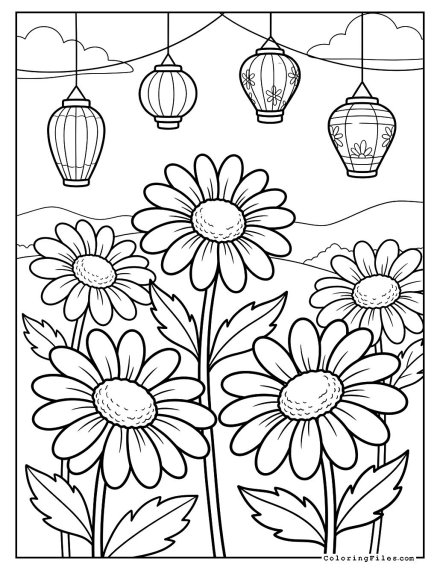
Use soft, warm yellow for the lantern glow. Deep, calm blues for the evening sky. The daisies should appear soft and illuminated by the warm light from above.
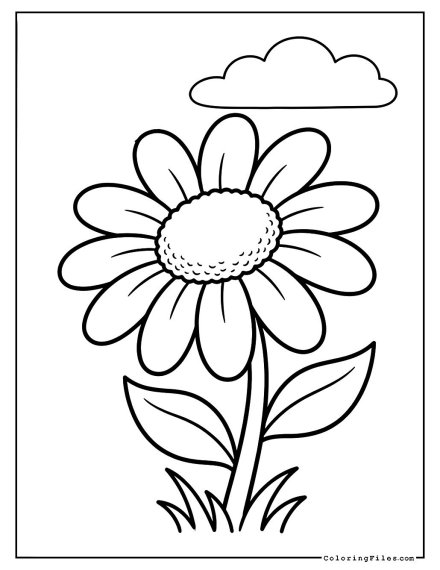
Use soft sunrise colors—golden yellow, apricot, and pale violet. Keep the daisy bright, clean, and cheerful to symbolize the energy of a new, fresh morning start.
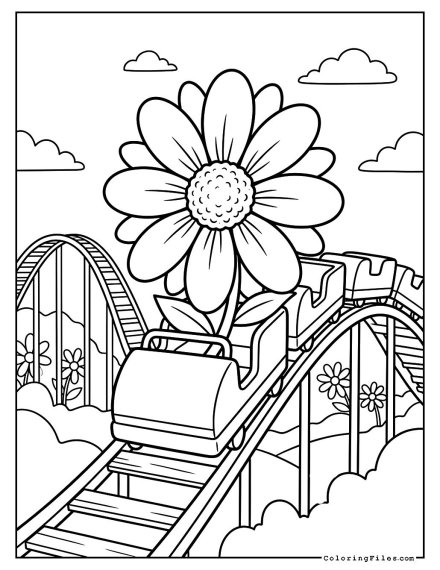
Use bright, bold colors for the track—think magenta or lime green. Keep the daisy looking surprised and happy, using soft pastel colors for the surrounding sky to highlight the ride.
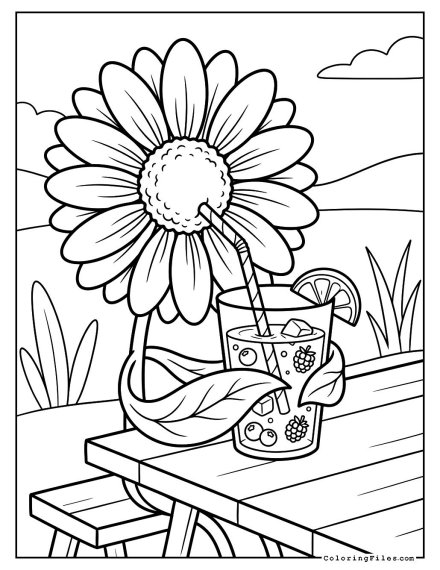
Use bright yellow for the lemonade and deep red for berries. Keep the daisy fresh and cool, with light blue condensation drops on the glass to add a refreshing, summery touch.
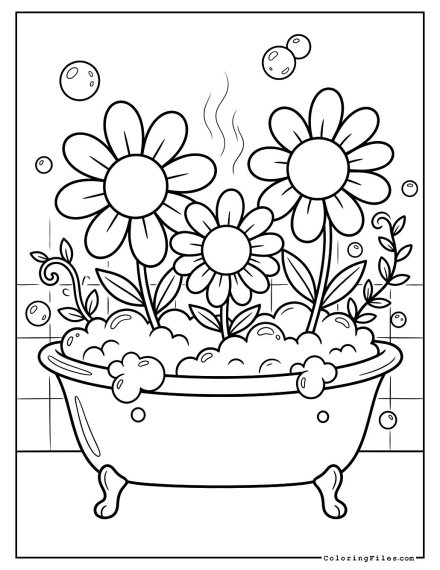
Use bubbly, translucent white and light blue circles. The daisy should look playful. Use soft pink for the "soap suds" and keep the flower stems bright, healthy green.
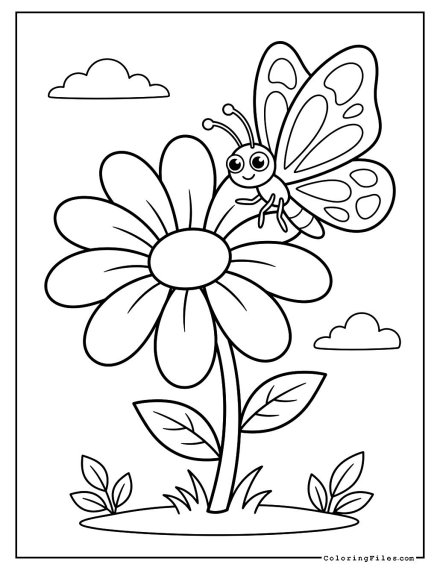
Use bright orange and black for the butterfly. Keep the daisy petals a soft, creamy white, allowing the vibrant butterfly wings to be the standout feature of the page.

Use shimmering gold or yellow for the crown. Keep the daisy regal, with soft lavender or regal blue background accents to highlight the royal theme.
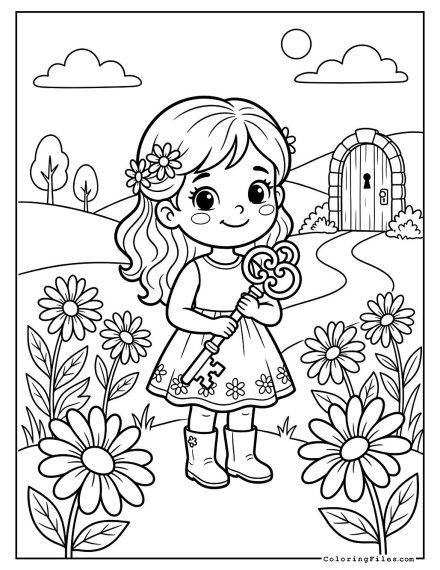
Use vintage gold or bronze for the key. Keep the daisy looking curious. Use soft, dreamy, light-filled colors for the background to give it a mysterious, enchanting feel.
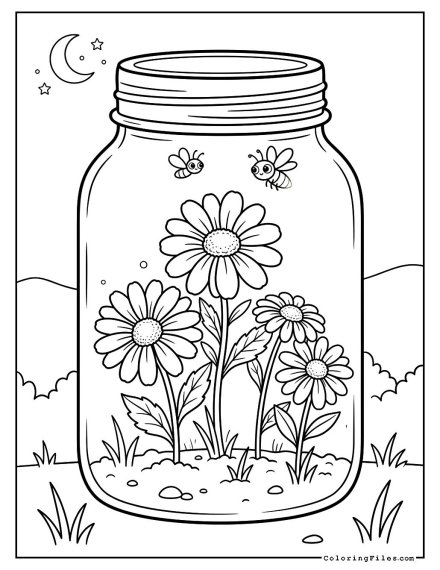
Use glowing yellow and soft white for the fireflies. Keep the background dark, allowing the warm, glowing light from the jar to illuminate the daisy petals.

Use soft white and blush pink for the clouds. Keep the daisy bright and cheerful. Use a clear, light blue sky to create a serene, friendly interaction between the two.