

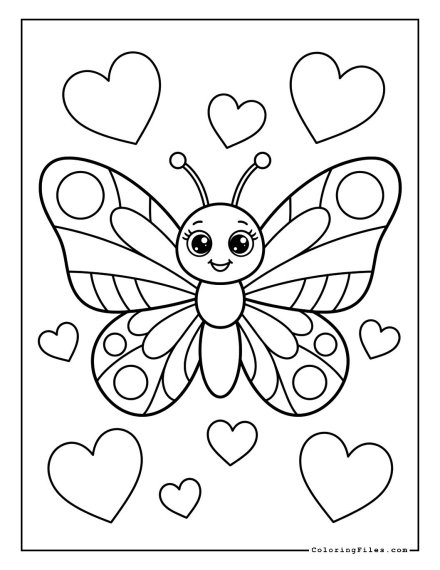
Use soft pinks and reds for the hearts. Paint the butterfly with iridescent purples and blues. Use a light wash for a dreamy, romantic effect.

Use satin-like shades for the ribbons. Use a gradient technique on the butterfly wings, shifting from light to dark to mimic the ribbon's texture.
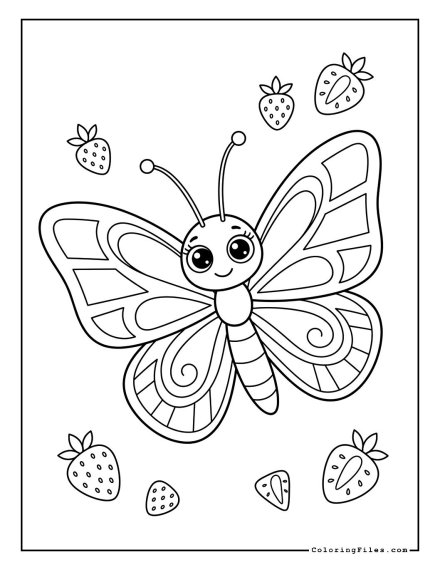
Use deep, juicy reds for the berries. Color the butterfly in white and light green to represent a fresh, spring-time garden aesthetic.
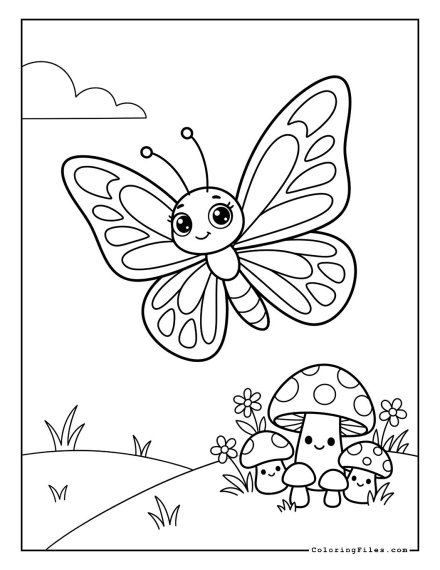
Use classic red and white for the mushrooms. Color the butterfly with soft, earthy tones like moss green and bark brown for a forest theme.
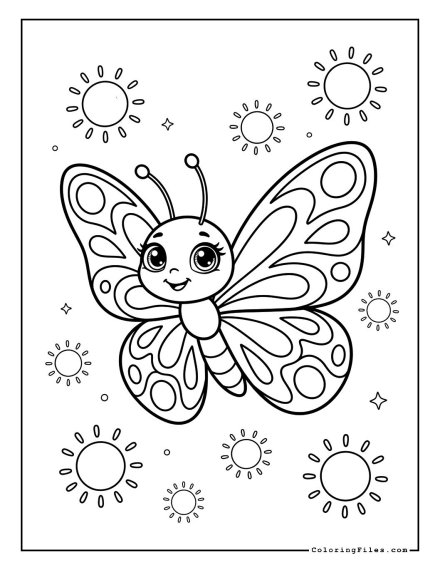
Use warm, golden yellows for the suns. Color the butterfly with cool-toned purples and blues to create a balanced, bright, and happy atmosphere.
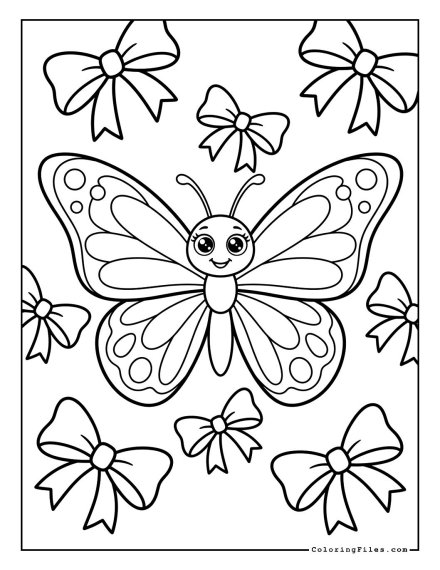
Use bright, feminine colors for the bows. Color the butterfly wings with intricate patterns using fine-liner pens for a detailed look.
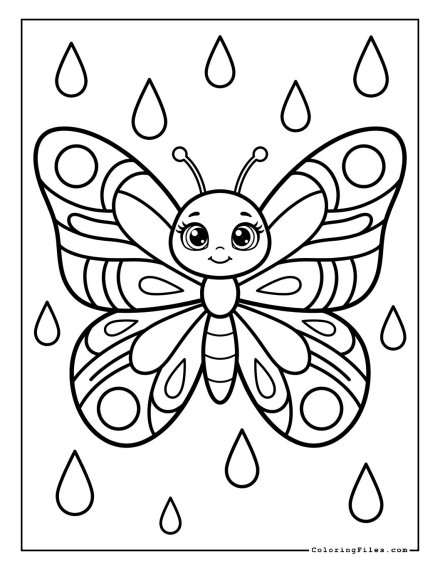
Color the raindrops in soft light blue. Use a vibrant, fiery red and orange color scheme for the butterfly to represent warmth in the rain.
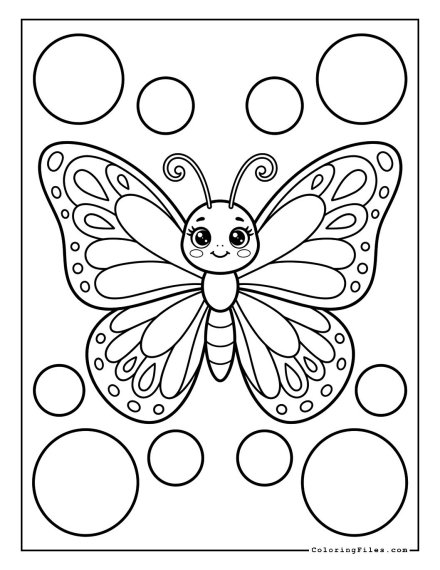
Color the background circles in concentric rings. Use vibrant, neon markers for the butterfly wings to emphasize their perfect symmetry.

Use her signature soft pink hood. Use light, floral shades like peach and cream on the butterfly wings to maintain a sweet, soft theme.
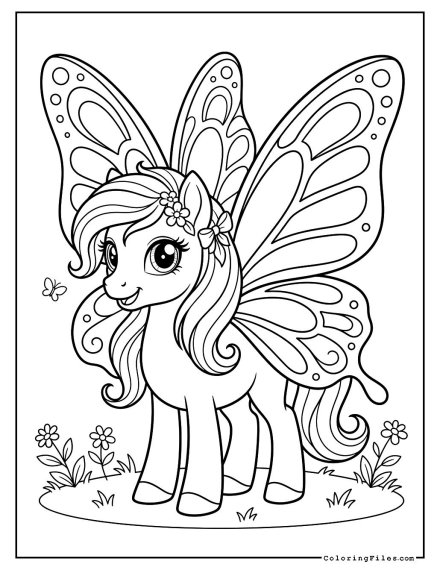
Use soft, magical pastel colors for the pony. Use iridescent and rainbow markers on the butterfly wings to create a whimsical effect.
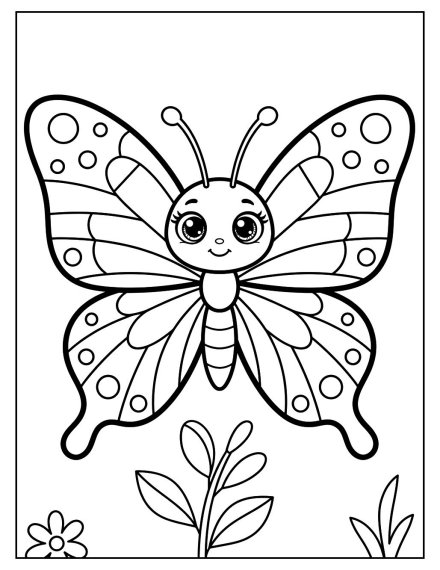
Use her signature purple and pink. Use bold, fashion-forward colors on the butterfly wings to match her sassy, stylish personality.
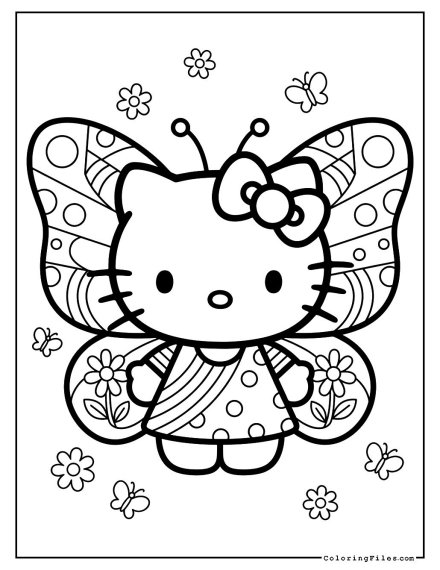
Use classic white and pink. Use soft, feminine colors like rose and lilac for the butterfly wings, adding sparkles to the flower details.
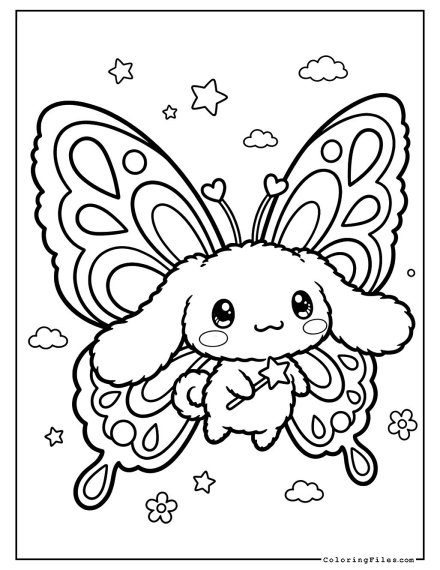
Use pure white for Cinnamoroll. Use soft, dreamy pastels like light blue and lavender for the butterfly wings to create a cozy, calm feel.
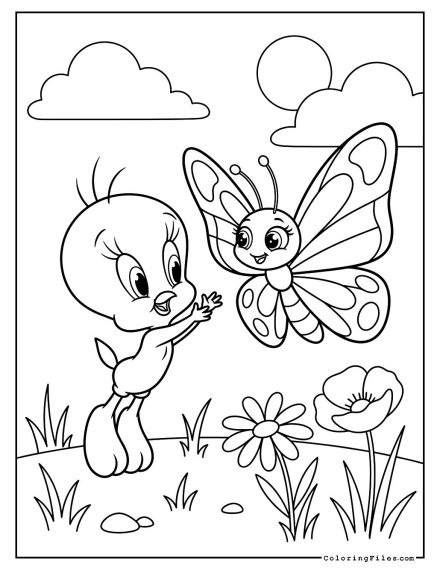
Use soft yellow for Tweety. Match the butterfly wings with the same yellow but add orange accents to make the butterfly distinct and cute.
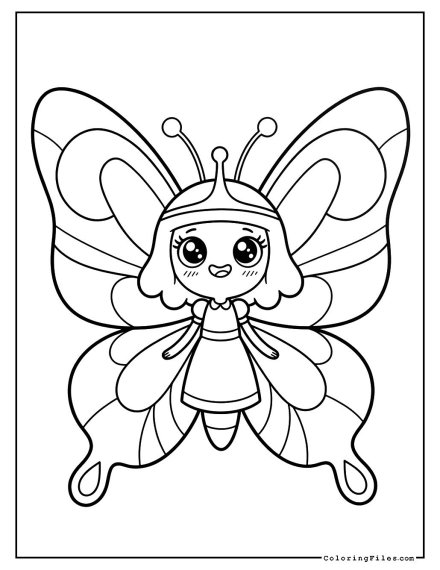
Use vibrant pinks for Bubblegum’s hair and dress. Color the butterfly in bright magenta and sugar-plum shades for a candy-themed aesthetic.
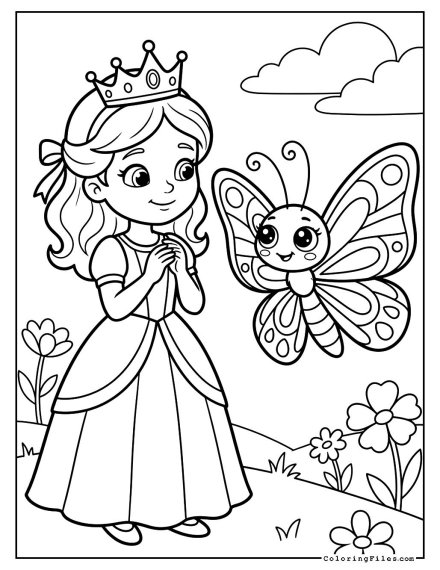
Use shimmering pastels for the gown. Color the butterfly with elegant gold and soft pink tones to match the princess's royal accessories.
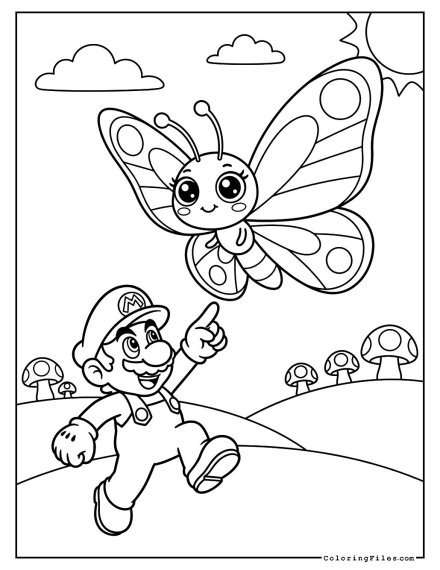
Use bright red for Mario’s hat and overalls. Color the butterfly in vibrant yellow with polka dots to match the mushrooms. Use bold, saturated markers.
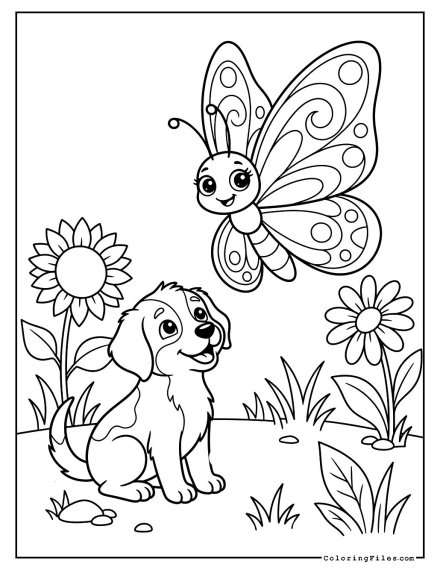
Use golden tan for the puppy. Use bright, celebratory colors on the butterfly wings. Color the flowers in a festive, multi-colored palette.
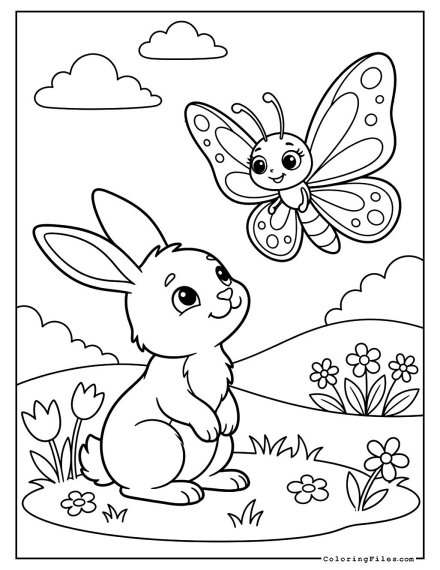
Use soft cream for the rabbit. Apply light, ethereal watercolor textures to the butterfly wings and soft, vibrant pinks to the spring flowers.
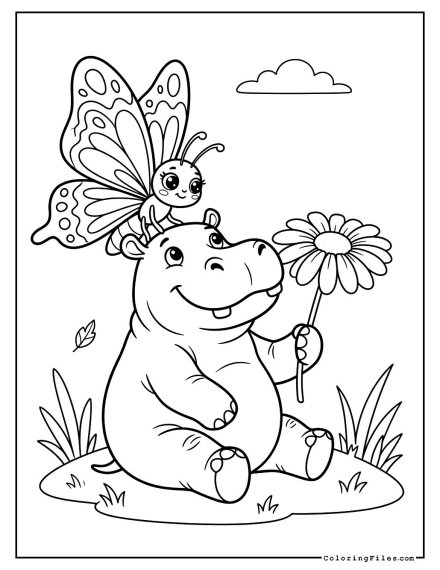
Use soft lavender for the hippo. Use bright, contrasting teal for the butterfly wings. Color the flowers in delicate, pale yellow tones.
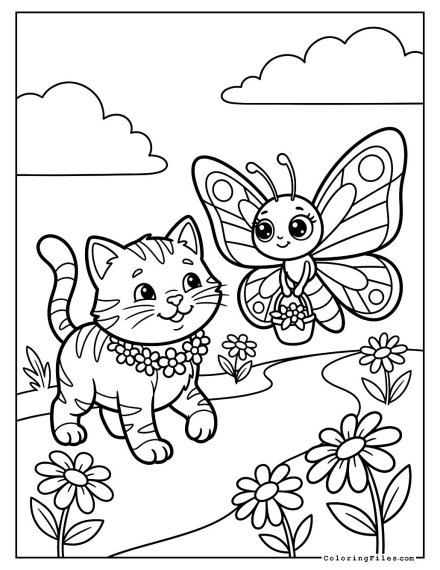
Use tabby patterns for the cat. Use bold, block colors for the butterfly wings. Paint the flowers in a spectrum of vibrant, rainbow colors.
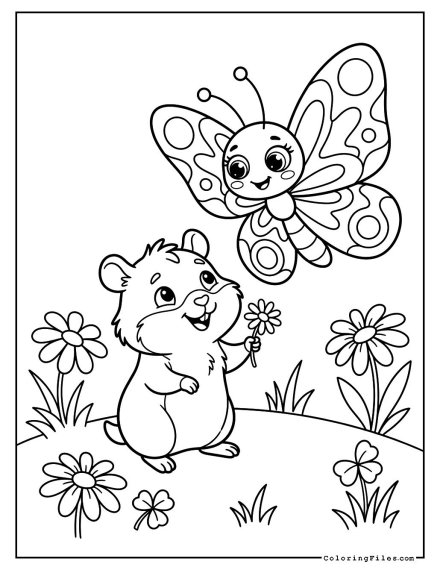
Use warm ginger for the hamster. Use intricate patterns on the butterfly wings with metallic pens. Color the flowers in soft, sweet peach.
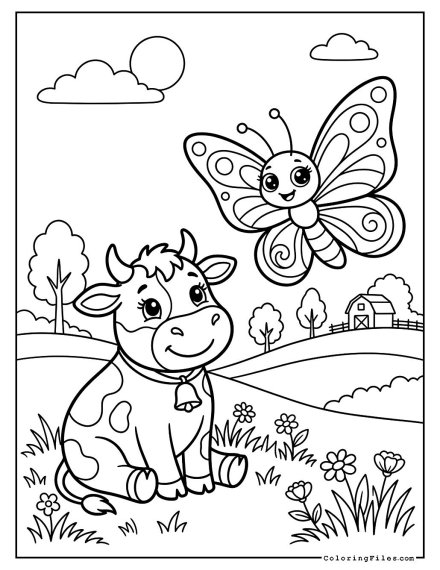
Use black and white for the cow. Use vibrant, joyful colors for the butterfly wings and bright, cheery reds for the wildflowers in the field.

Use cool blues for the ice flowers. Use high-contrast, warm colors like orange and yellow for the butterfly wings to stand out against the blue.
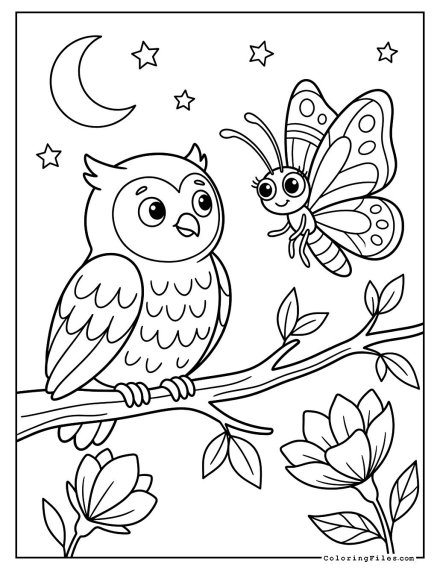
Use dark greys and whites for the owl. Use luminous, neon-like colors for the butterfly wings to look like they are glowing in the night flowers.
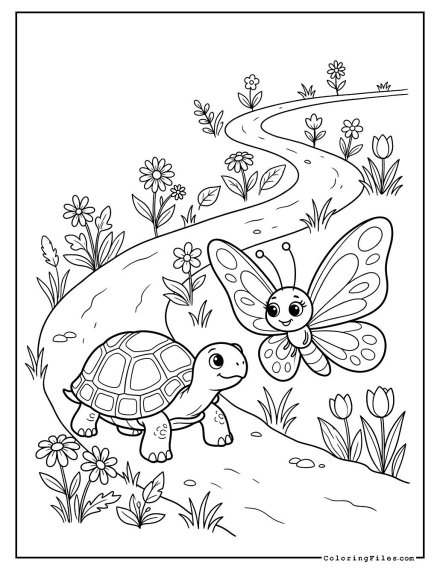
Use deep mossy greens for the turtle. Use bright, popping oranges for the butterfly wings. Paint the flowers in calm, peaceful light blue.
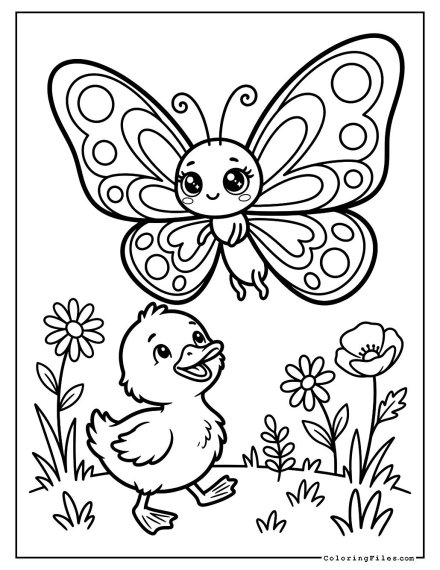
Use soft yellow for the duckling. Use a kaleidoscope of colors on the butterfly wings. Color the flowers in cheerful shades of daisy white.
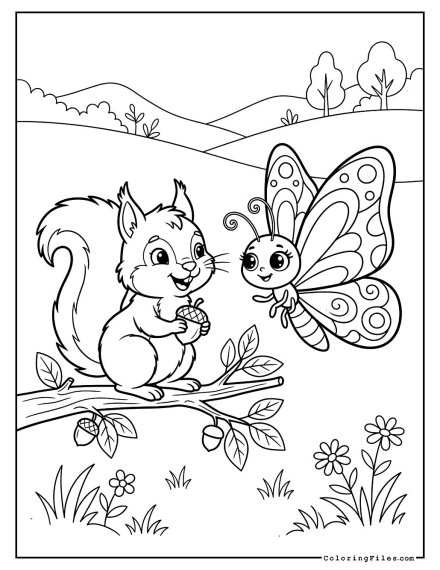
Use vibrant chestnut for the squirrel. Apply shimmering, metallic shades to the butterfly wings and bright, solid colors to the garden flowers.
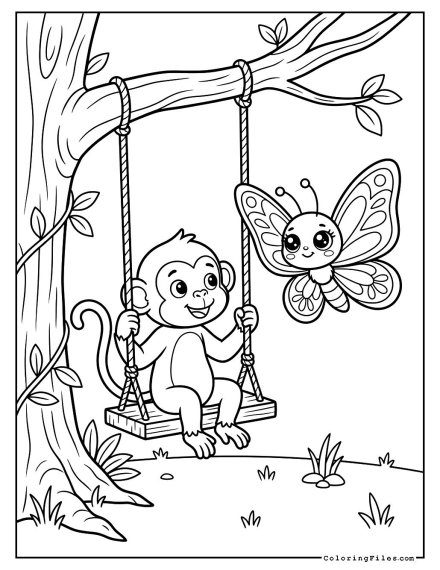
Use warm brown for the monkey. Use bold, contrasting patterns on the butterfly wings. Color the hanging flowers in bright magenta and purple.
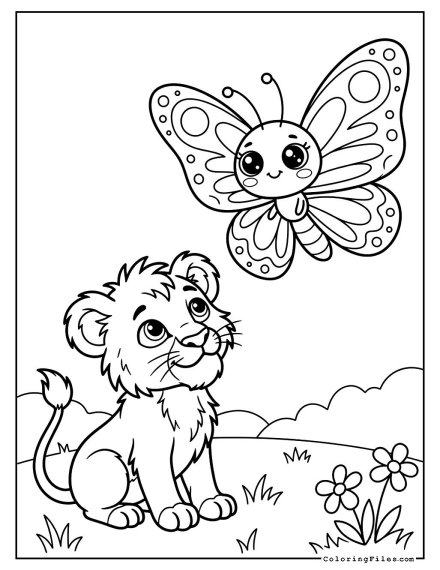
Use warm gold for the lion. Apply dramatic, dark-to-light gradients on the butterfly wings. Use vibrant blues for the background flowers
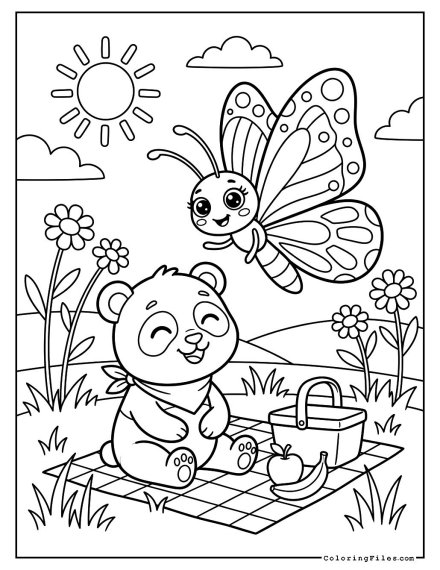
Use bold black and white for the panda. Contrast this with neon, fluorescent colors on the butterfly wings. Paint the flowers in soft lilac.

Use bright blues for Bluey. Add sparkly, iridescent colors to the butterfly wings. Keep the flowers in light, airy shades of cream and pastel pink.
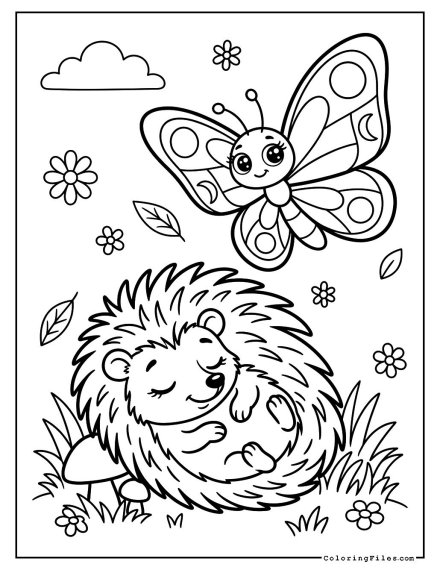
Use textured brown strokes for the hedgehog. Apply glowing, luminous colors to the butterfly wings and deep, saturated tones to the nearby flowers.

Use light grey for the elephant. Use vivid jewel tones (rubies/emeralds) for the butterfly wings. Add bright, bold colors to the large flower petals.
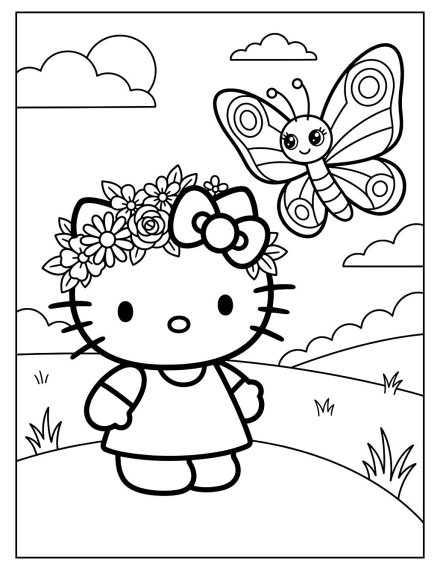
Use bold, primary colors for the butterfly wings. Color the flowers in soft rainbow hues. Keep the fur clean white to make the colors stand out.
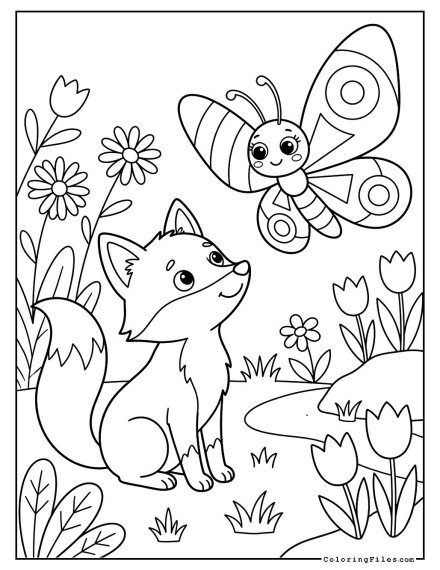
Use bright oranges for the fox. Apply vibrant, high-contrast colors like violet and teal to the butterfly wings. Use soft greens for the floral stems.

Keep the piglet a soft, light pink. Use watercolor pencils for the butterfly wings, blending oranges and yellows. Keep the surrounding flowers subtle.
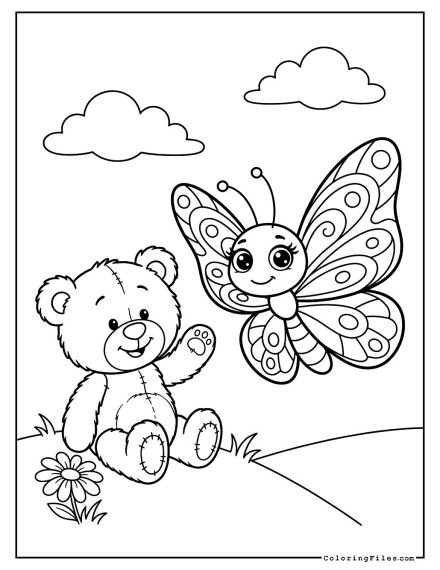
Paint the bear in warm browns. Use vibrant gradients on the butterfly wings, blending blues into greens. Color the flowers in rich reds for contrast.
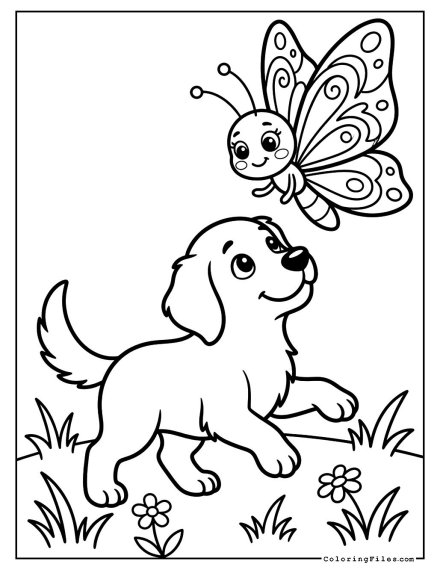
Use earthy brown tones for the puppy. Color the flowers in deep purples and pinks, using shimmering glitter pens for the butterfly's delicate wings.
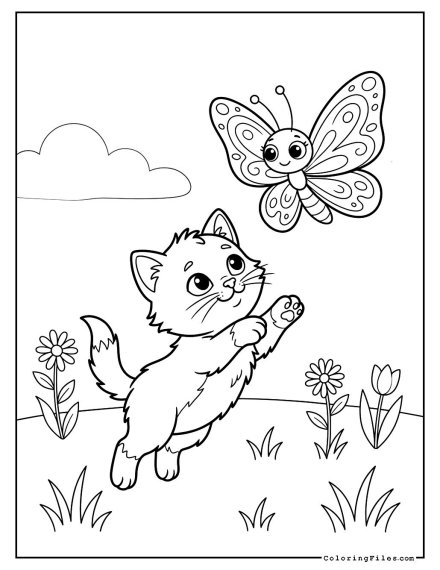
Give the kitten soft grey tones. Use vibrant metallic markers for the butterfly wings and color the flowers in warm, sunny yellows and oranges.
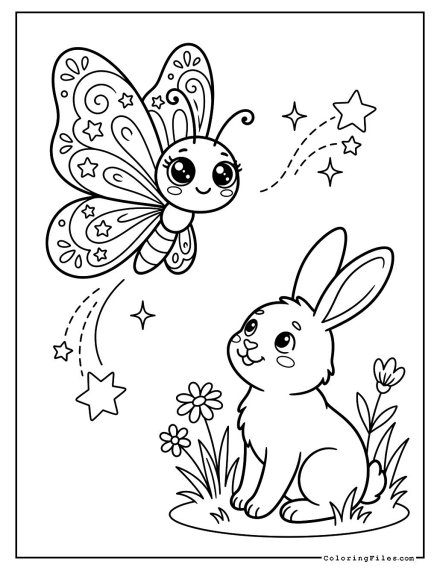
Use soft pastels for the bunny’s fur. Color the butterfly wings with bright, symmetrical neons to make them pop against the gentle flower background.