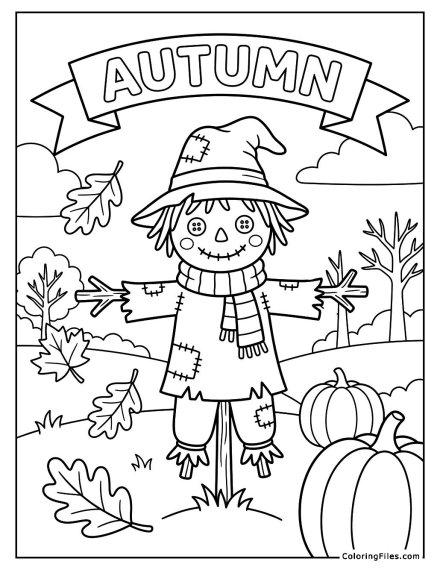
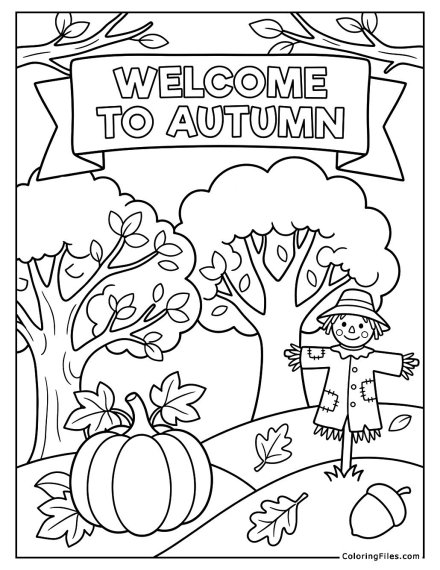
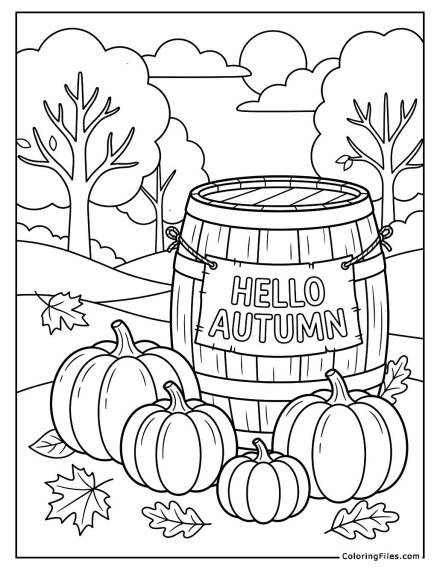
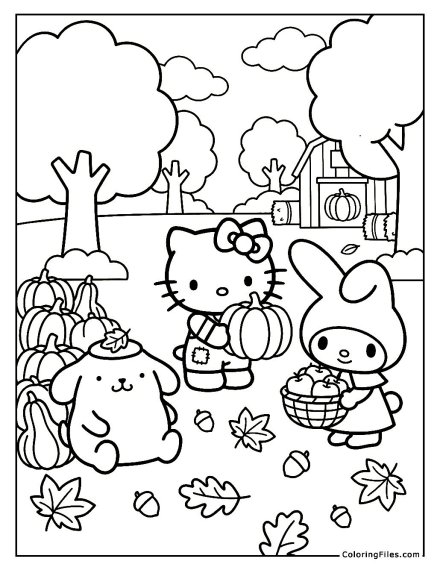
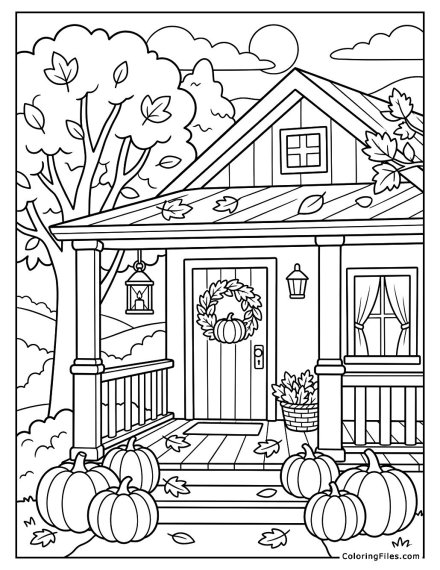
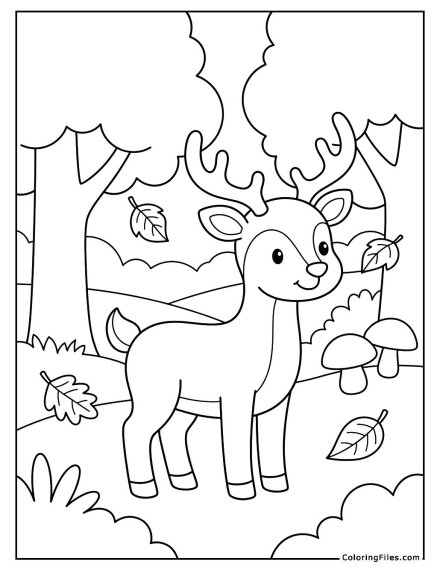
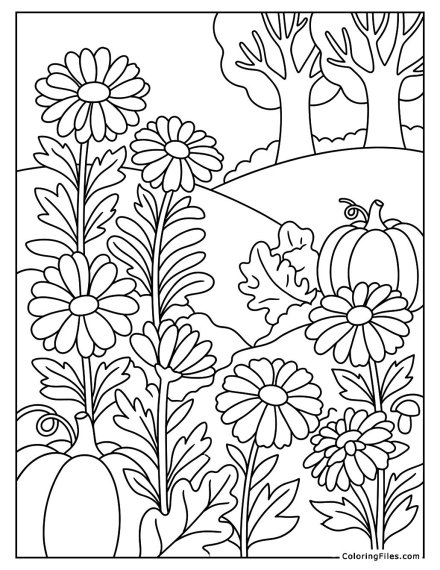
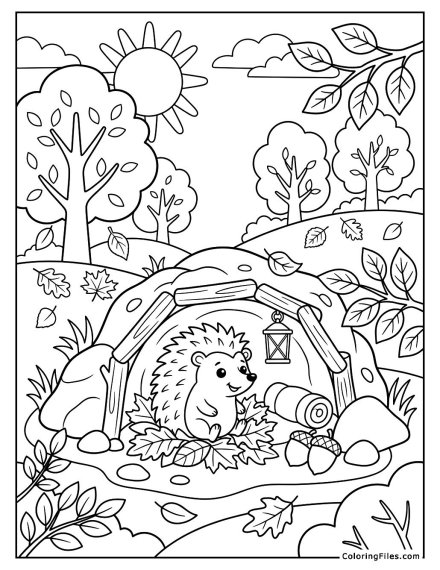
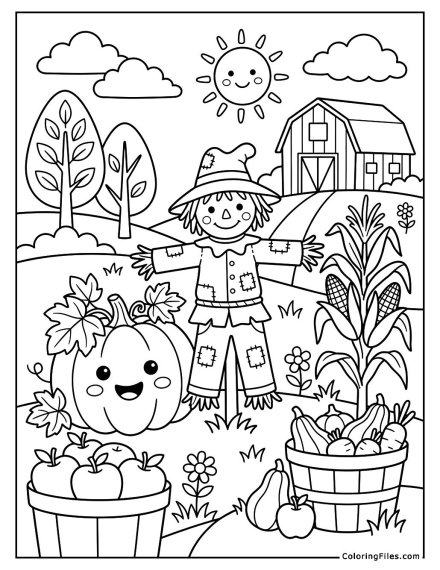
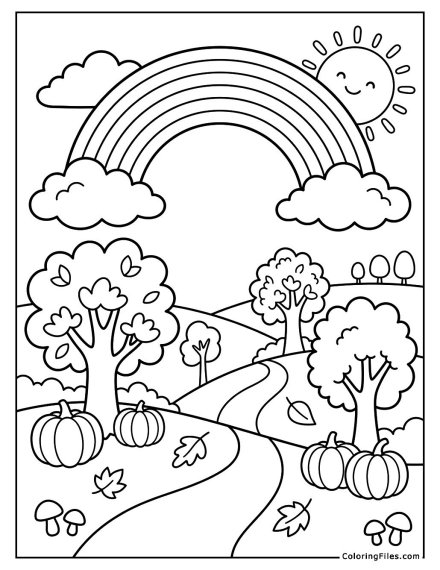
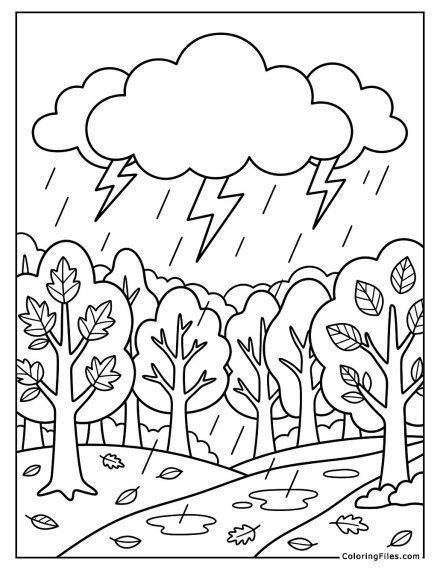
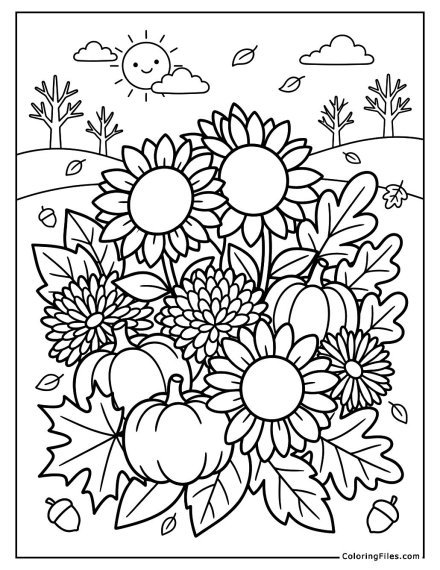
Celebrate the season with our free, high-quality autumn PDF printables. Explore cozy scenes, falling leaves, and pumpkins—perfect for all ages. Download today!
Embracing the Season: The Ultimate Guide to Autumn & Fall Coloring
As the air turns crisp and the leaves transform into a vibrant tapestry of gold, amber, and crimson, there is no better way to slow down and savor the essence of autumn than through the meditative practice of coloring. The transition into fall invites a specific type of creativity—one rooted in cozy aesthetics, rich textures, and the celebration of nature’s quiet preparation for winter. Engaging with autumn-themed coloring pages allows you to physically manifest the colors of the season, helping you transition from the bright, high-energy vibes of summer to the introspective, comforting atmosphere that only fall can provide. Whether you are working on intricate illustrations of harvest bounties or whimsical depictions of woodland creatures preparing for the frost, these pages serve as a canvas for your personal expression of the season.
Recommended Autumn Activity List
To make the most of your coloring experience, consider pairing your creative time with activities that enhance the seasonal mood. By curating your environment, you turn a simple hobby into a multisensory autumn ritual:
12 Activities to Pair with Your Autumn Coloring
To make the most of your creative time, consider pairing your coloring sessions with activities that enhance the seasonal mood. By integrating these practices, you turn a simple hobby into a multisensory ritual:
Audiobook Escapes: Pair your coloring with a mystery or folklore audiobook to match the atmospheric, "spooky-cozy" vibes of October and November.
Nature Observation Walks: Go for a walk to collect fallen leaves, then use their unique, natural gradients as a direct color guide for your pages.
Hot Beverage Rituals: Brew a warm cup of spiced cider, pumpkin chai, or cinnamon tea to enjoy while you color.
Harvest-Themed Decorating: Decorate your coloring space with small pumpkins, dried wheat, or pinecones to bridge the gap between your art and the season.
Seasonal Gratitude Journaling: Spend time writing a list of things you are grateful for this harvest season while working on your illustrations.
Fireside Coloring: If you have access to a fireplace, set up your coloring station nearby to enjoy the warmth and the crackling sounds while you work.
Curating a Fall Playlist: Build a playlist of acoustic, folk, or "lo-fi" autumn tracks to set a relaxing, rhythmic tone for your coloring.
Baking Breaks: Use the time between coloring sessions to bake seasonal treats like apple muffins or pumpkin bread.
Window Watching: Set your station near a window to watch the leaves change or the autumn rain fall, allowing the natural light to inspire your color choices.
Layered Texture Study: Practice your shading techniques by trying to replicate the textures of wool sweaters, cozy blankets, or tree bark found in your coloring book.
Collaborative Coloring: Invite a friend over for a "coloring coffee date," where you can share tools and ideas for color combinations.
Candlelight Sessions: Use an autumn-scented candle (like cedar, clove, or apple) to engage your sense of smell while you focus on your coloring.
Mastery of Technique: How to Color Autumn Scenes
Capturing the unique light of fall requires a shift in your approach to shading. Autumn light is often lower, golden, and softer, which means your coloring should reflect these warmer undertones.
When approaching foliage, avoid using a single flat color. Instead, layer your colors to create depth. Start with a base of soft yellow, then layer in oranges, and finally, add touches of deep red or brown at the edges where leaves would naturally begin to curl or decay. When coloring wood textures—such as fence posts, tree bark, or rustic barns—use short, vertical strokes with a slightly darker brown pencil to mimic the grain. If you are coloring a scene with overcast skies, use light grays and soft blues, but blend them with a very light touch of violet or mustard yellow to prevent the image from feeling too cold, maintaining that essential "cozy" feeling throughout the piece.
Choosing the Right Tools
The quality of your finish often depends on the tools you select. For autumn scenes, you want pencils that offer a balance of rich pigment and the ability to layer effectively.
Professional Colored Pencils: Brands like Prismacolor Premier or Faber-Castell Polychromos are highly recommended. Prismacolors are soft and wax-based, making them excellent for blending deep, warm gradients, while Polychromos are oil-based and perfect for sharp, detailed lines on intricate leaf veins or small harvest details.
Blending Tools: Invest in a colorless blender pencil or a blending stump. These are essential for smoothing out transitions between "burnt orange" and "deep maroon" on your autumn leaves, ensuring a professional, seamless look.
Paper Selection: If you are printing your own pages, use a high-quality, heavy-weight cardstock (at least 100lb or 160gsm). This prevents your colors from bleeding through and provides enough "tooth" for the pencils to grip the paper, allowing for multiple layers of color without the surface becoming too slick.
Essential Palette for Fall
To keep your coloring consistent with the season, curate a "Fall Palette" before you begin. Focus on these core groups:
The Warms: Burnt sienna, goldenrod, pumpkin orange, and brick red.
The Earths: Chocolate brown, forest green, deep olive, and taupe.
The Highlights: Cream, pale sunshine yellow, and soft white for light reflection on wet surfaces or frost-dusted pumpkins.
By grounding your practice in these specific techniques and tools, you elevate coloring from a pastime into a restorative seasonal tradition that honors the changing world around you.